Tuesday, February 28, 2006

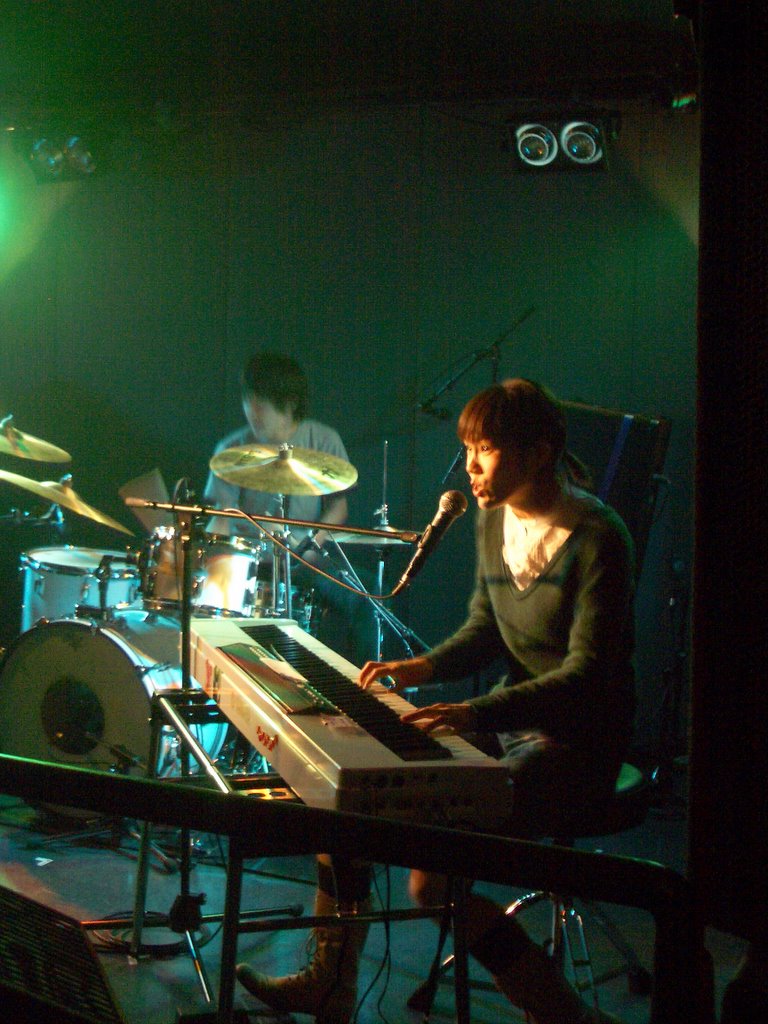
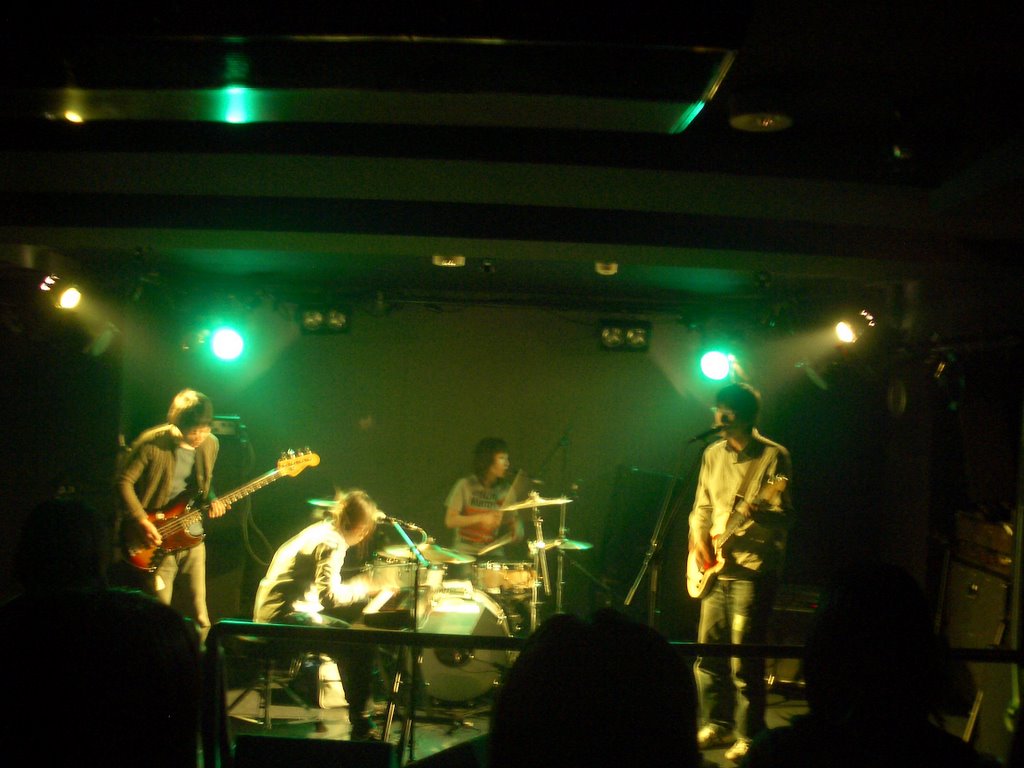
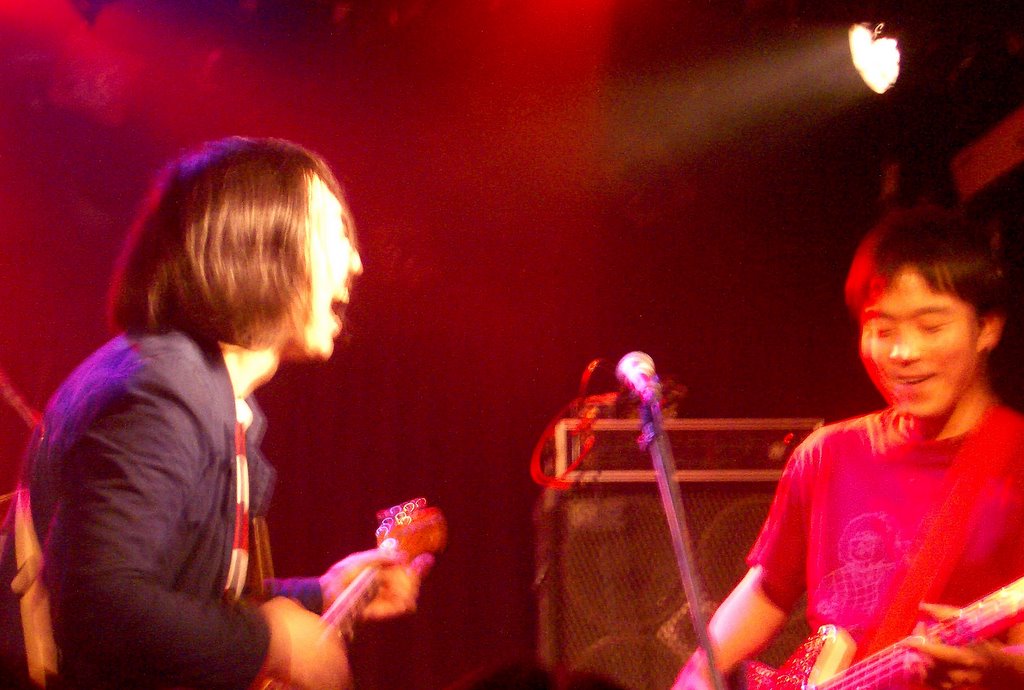
Limited Express Says Bye To Drummer


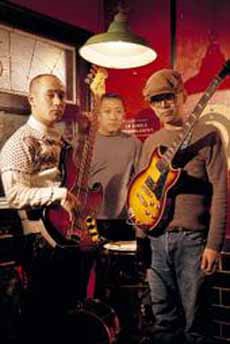
“The best thing about Limited Express is you know at least one of the members will be hurt by the end of the show,” said a friend of mine right before rock band Limited Express (has gone?) hit the stage at the Shimokitazawa Shelter Tuesday night.

I’m pretty sure he was joking, and fortunately none of the three Limited Express members came away from their gig with injuries, but you could see there was an element of truth to his remark.

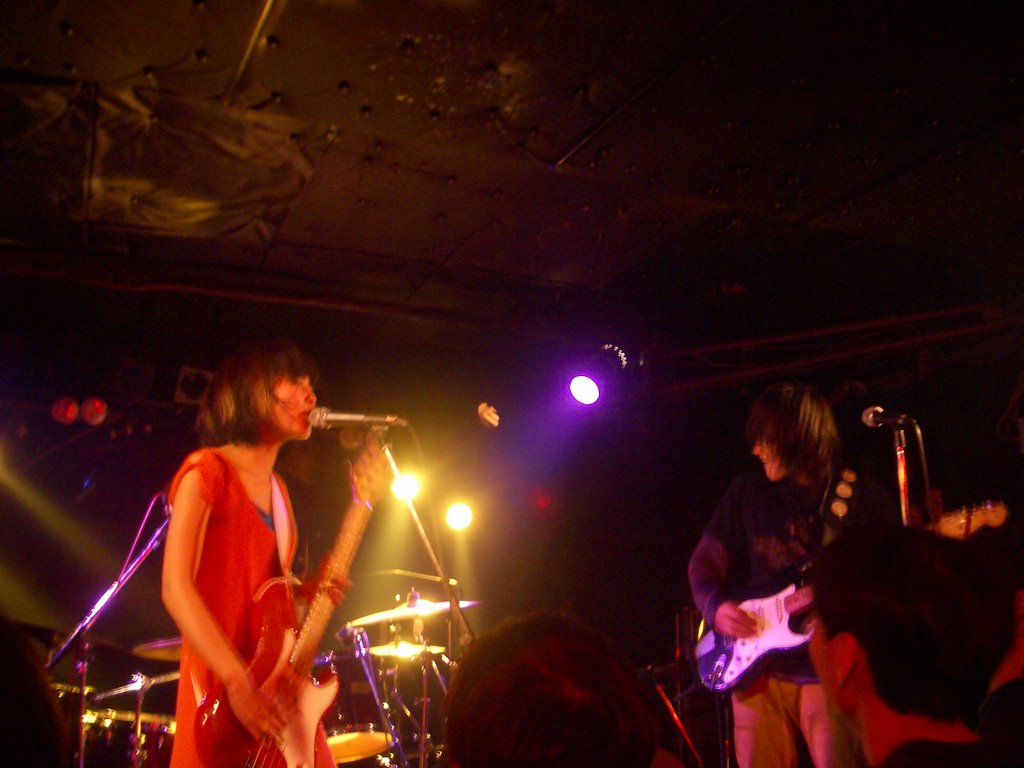
At different points in their hyperactive, musical potluck party of a punk rock show, each one of the trio climbed on to various unstable objects on stage such as the bass drum and a steel bar separating the band from the audience, before hopping back down to safety. The risk of a fall was probably highest for the guitarist, whose glasses fogged up seconds after the show began, giving him nearly zero visibility behind the frosted plastic of his spectacles.

But they made it through the show okay, and in truth there might have been a bigger risk of bodily injury in the audience section, where Limited Express-heads pogo-ed ever more energetically as the show progressed: all through the gig, the bouncing ponytail of a female fan in front of me threatened to pogo into my eye sockets.


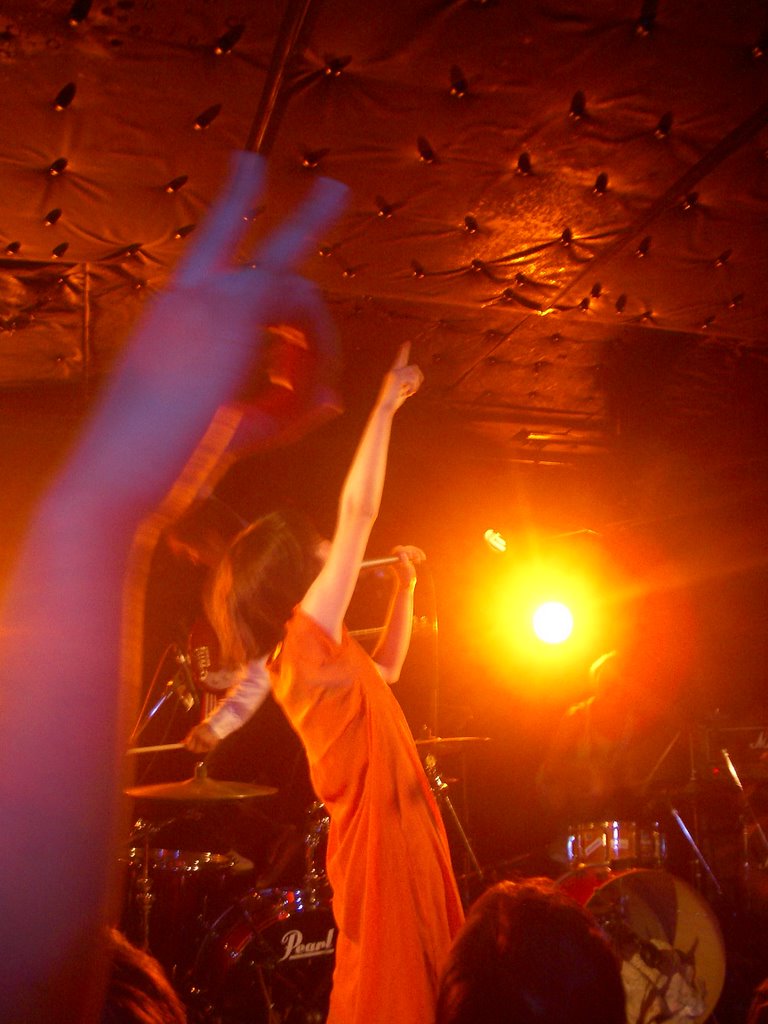
When Limited Express returned to the stage for an encore, female singer/bassist Yukari, dazzling in an orange gown, said with emotion that this will be the last time the band will sound like this (because it was the drummer’s final show as a Limited Express), before the band exploded into a song with the possibly blasphemous title of “the Sacrificial Jesus Christ”. At the very end, as the group left the stage, she gave the drummer the slightest, shyest, quickest, most Japanese hug imaginable.

Thursday, February 23, 2006

Eastern Youth At Shibuya Quattro


When I first got into Japanese rock, one of the groups that pulled me in deep was a trio that played passionate, uniquely Japanese punk rock, and their name was Eastern Youth.

But like I often end up doing, in my excitement at finding a new great thing I overfed myself with their music, until I was too full, and after a while I listened to Eastern Youth less and less, and eventually their CDs began gathering dust in my disk rack.

Somewhere in my mind, though, these guys’ music lived on, and there was a desire to see them in person, on stage. I finally got that opportunity Wednesday night at the Shibuya Quattro.

I went to the Quattro with some dread as well as anticipation, to tell the truth. Dread, because it appeared the show was sold out, and a packed Quattro event is one of the least comfortable leisure activities I can imagine in Tokyo—it’s like listening to live music on a morning rush-hour train. Once there, it was as bad as I expected, and on top of that the air was a toxic fog of cigarette smoke, the waste product of an assembly of chain smokers. Maybe it’s something in the punk ethos, the inclination to self-destruction and the decadence, that makes all these guys nicotine freaks.

When the three young middle-aged guys that make up Eastern Youth hit the stage and started playing, I was amazed at how their music transformed these fans. There was some mosh-pit action near the stage as would be expected, but what struck me was the way the fans sang along, en masse, to the Eastern Youth songs, loudly enough it sounded like an echo to the singer’s amplified voice. And Eastern Youth songs don’t have bonehead lyrics. The songs, all in Japanese, are poetic, often using a Japanese that is old-fashioned like something out of literature or the spoken arts. It was wonderful to hear a bunch of punk kids singing along to their musical poems.

The singer and guitarist of Eastern Youth, Hisashi Yoshino, has a shaved head and wears black glasses with a strap. He doesn’t look like a rock star. He sang with a look of suffering, his gaping mouth curving downward at the edges, and veins on his neck bulging. Their songs sometimes started out mellow, Yoshino playing the guitar alone and like a blues-man singing words that came into his head, before they exploded in volume and emotion.

At one point, as Yoshino plucked the guitar before the start of a song, he improvised a tune about awamori, the Okinawan liquor. He sang, take away the awamori, I don’t want to see another drop of it, if I drink it, by midnight I won’t even know what I’m saying, I’ll find myself cheering loudly the Japanese female curling team on TV (out of nowhere, they went to the Turin Olympics and beat the Italians, Brits and Canadians).

Later on, he sang about a weightier theme, the weightiest theme of them all—death. When you die, you won’t go to heaven, you won’t go to hell, you won’t become a ghost, you will just become nothing, can you dig this at all, he sang. The audience stood still, as if they didn’t know how to react.

This wasn’t typical entertainment. It wasn’t at all a normal Tokyo rock show. In some ways it was discomfiting, like running into a naked stranger. But it was clear many in the crowd were responding. Eastern Youth’s songs, after all, are about heavy themes: knowing life is of limited duration, but not being able to squeeze the most out of it, seeing beauty, but knowing it’s fleeting, and so on. Here was Eastern Youth’s lyricist talk-singing possible raw drafts of future songs, before diving into songs that the fans all knew.

Toward the end, he talk-sang about how when he plays the guitar, he doesn’t even need a drop of alcohol, the guitar makes him drunk, and he can continue like that for hours. For the couple of hours at the Quattro while Eastern Youth played, despite having only consumed a tiny cup of beer that was the Quattro’s pathetic excuse for “one drink”, I felt drunk too.

***

You can sample some of Eastern Youth's songs here.

Saturday, February 18, 2006

Jimmy Pops Video On The Web


Check out this cute/surreal animated music video by K.O.G.A. label pop band Jimmy Pops (click on the green box on the page to watch it). You can see a couple of images of the band toward the end of the video, somewhere between the bicycling comb-over guy and the chameleons... There are also some sample songs and a few videos of their live performances. K.O.G.A. is good about providing free sample content like those on the Web, which is a welcome thing.

Friday, February 17, 2006

Ken M, Band Flier Analyst


Anytime you go to a rock show in Tokyo, you get a stack of fliers at the door advertising upcoming shows, events and new albums.

Some people consider these fliers a nuisance, and chuck them right into the trash bin. I, however, consider them a treasure trove of information.

Like the way a Kremlinologist would have studied photos of a May Day parade to see in what order Soviet leaders are seated, I go over these fliers with care.

They not only tell you what shows are around the corner, and who has released new albums, but they also reveal stuff like which band is friendly with which other band, and what kind of venues a band is playing at and how often, providing a sense of that group's career choices and degree of success (are those things interesting? Well, they are to me...).

The fliers are also often wild, colorful art objects--you can tack them up on walls for interior decoration purposes, if you are so inclined. Here are a few fliers I was given at a couple of shows I went to recently:

First, the flier above, "Attack From the Back Position"--I love this one! It totally grabs you. The green armed, purple haired slacker monster is wearing a NOFX T-shirt, suggesting that the bands playing at the show are into that kind of punk rock. Even if that's not your thing, you still have to love punker fools who decide to name their band Brassier Hook (as in 'bra strap'...Romeo Rocks and Spitball Spiky are also good names for rock bands).


I don't know any of the bands in this flier above, but I like this cartoon/expressionistic picture of the guitarist.


This guy scares me a bit... I hope this is meant to be humorous.


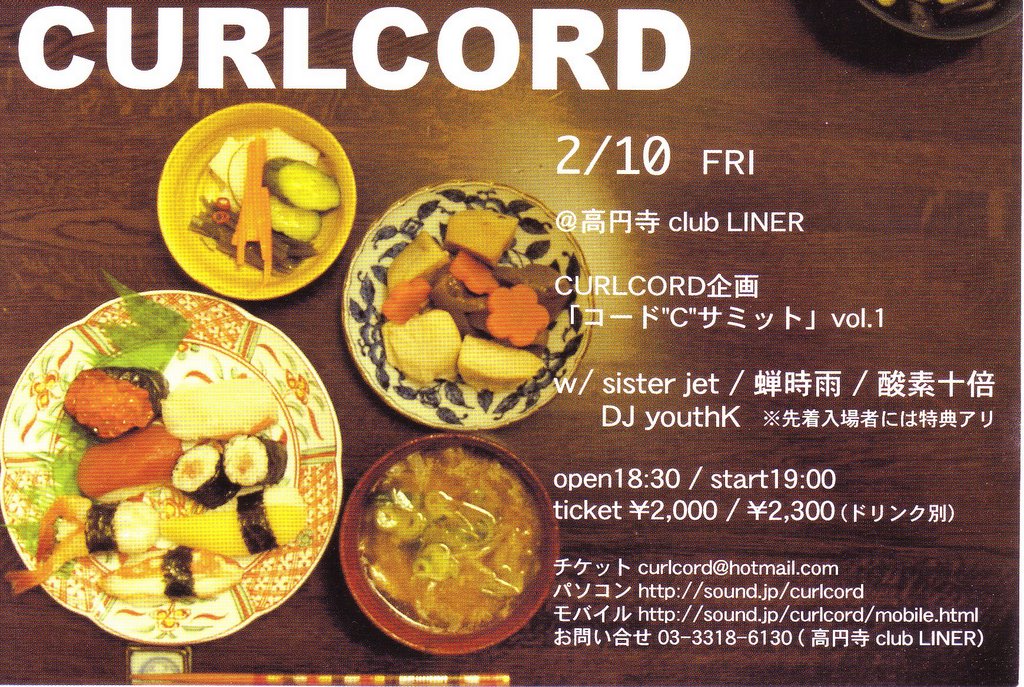
I found myself strangely drawn to this show, my appetite whetted, I'm not sure why...


A cool illustration of a spaceman on a kid bicycle.


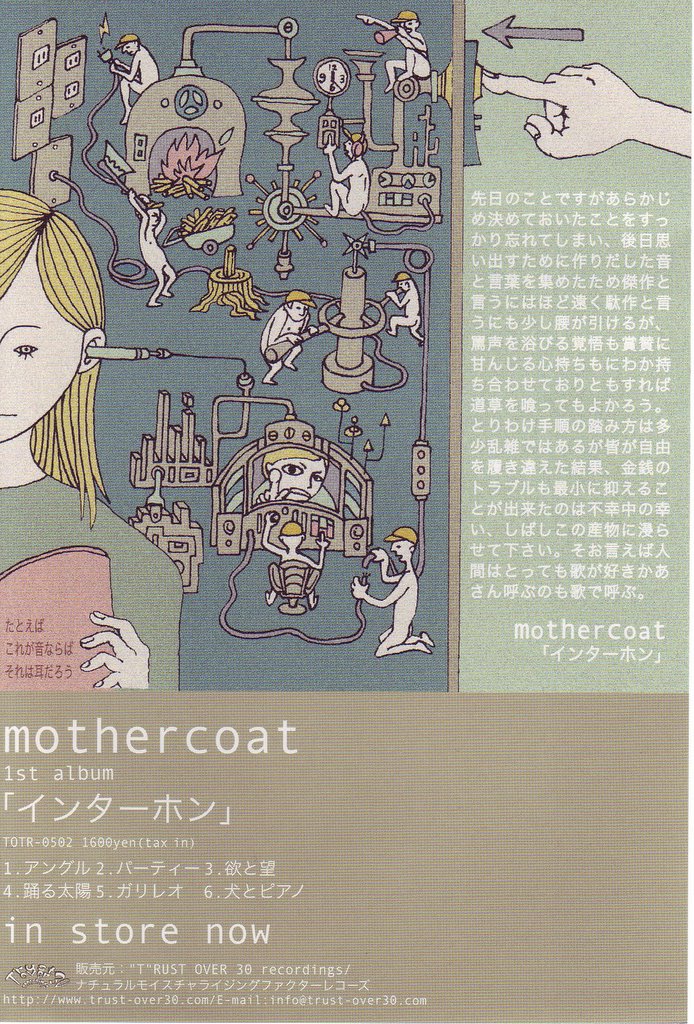
A flier for mothercoat's first album Interphone, which I'm planning to buy, and their Japan tour (I hope I can make it to at least one night of those shows). If you look carefully, one of the little guys has a cable coming out of a mighty strange place...


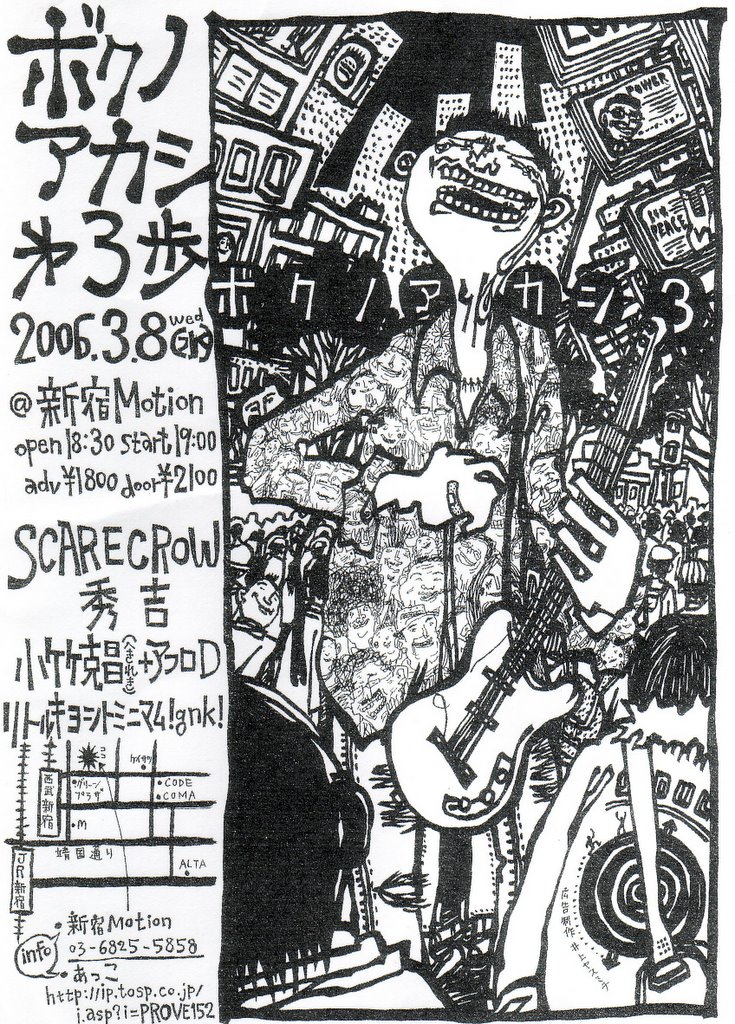
These guys had a good show the other night at the Shinjuku motion.


A nice illustration of a Tokyo (?) street at sunset. This flier is for a band named Doburoku, Japanese for 'moonshine sake'.


A couple of classy fliers. The second one advertises a show by Northern Bright, a band I've been wanting to see for a while.


This one looks futuristic in an Asian way.


Barbie Attack Doll(s)
! A great name. And I like the photo of the kid holding up a Gibson Les Paul in a park somewhere.


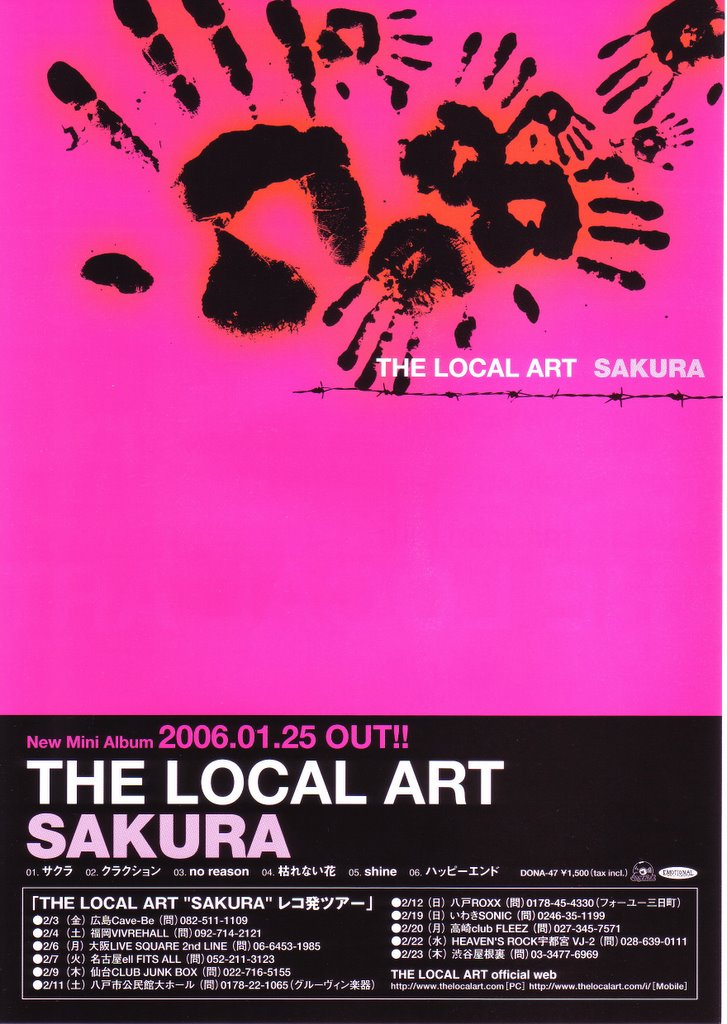
Nice pink art.


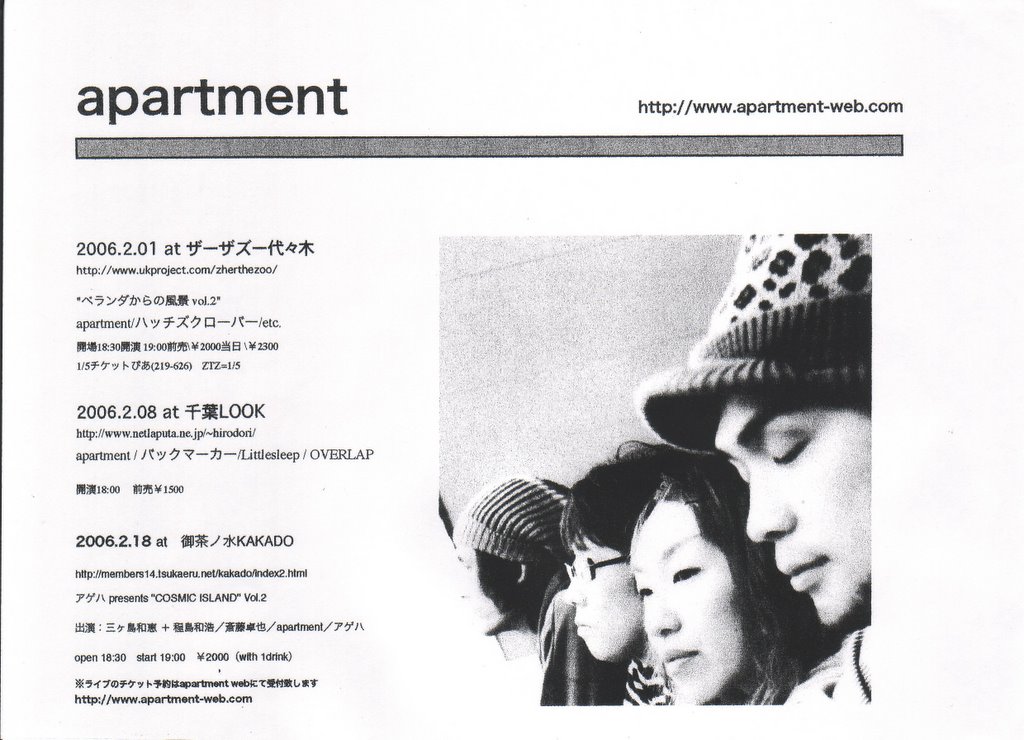
Apartment is a band I've heard good things about, and have wanted to check out.


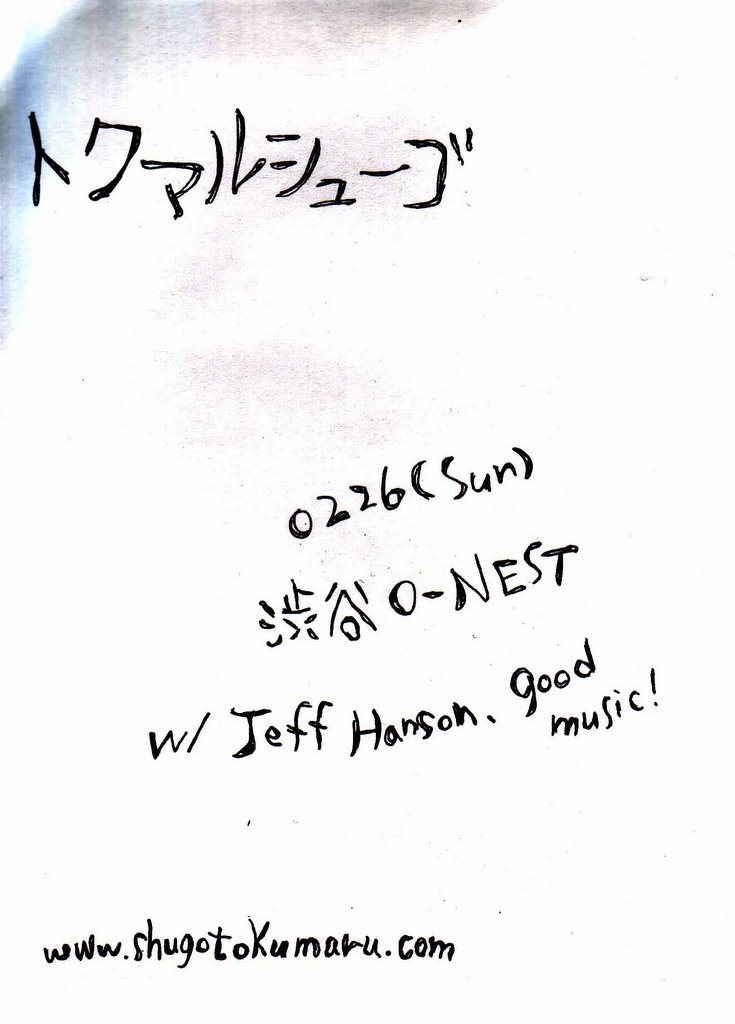
A minimalist flier by Shugo Tokumaru.


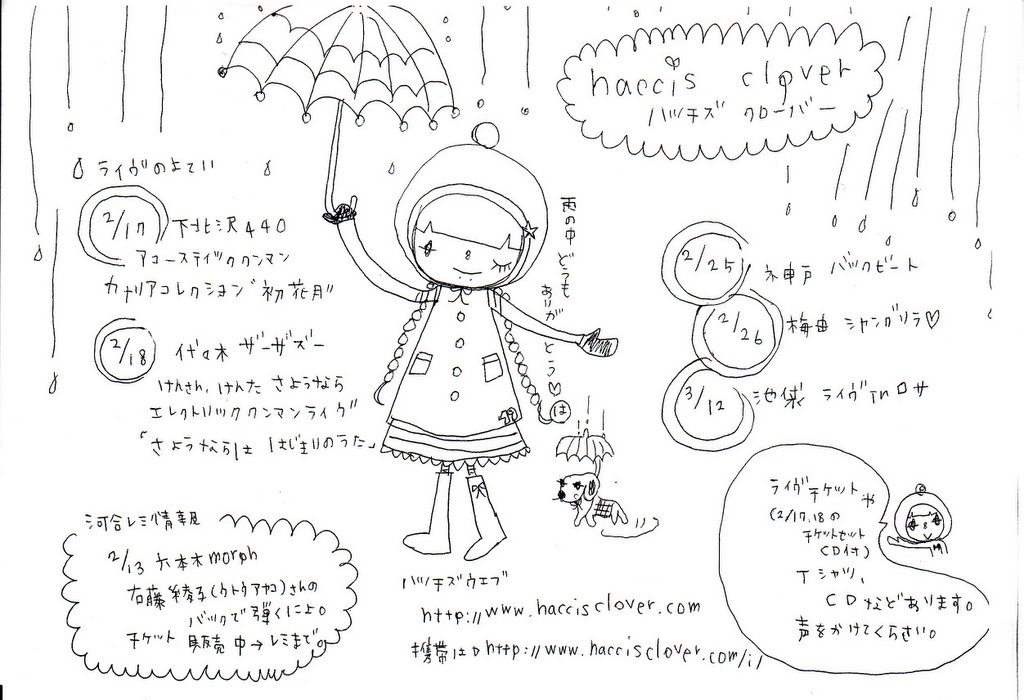
A hand-written, hand-drawn flier aimed presumably at conveying a homey mood.


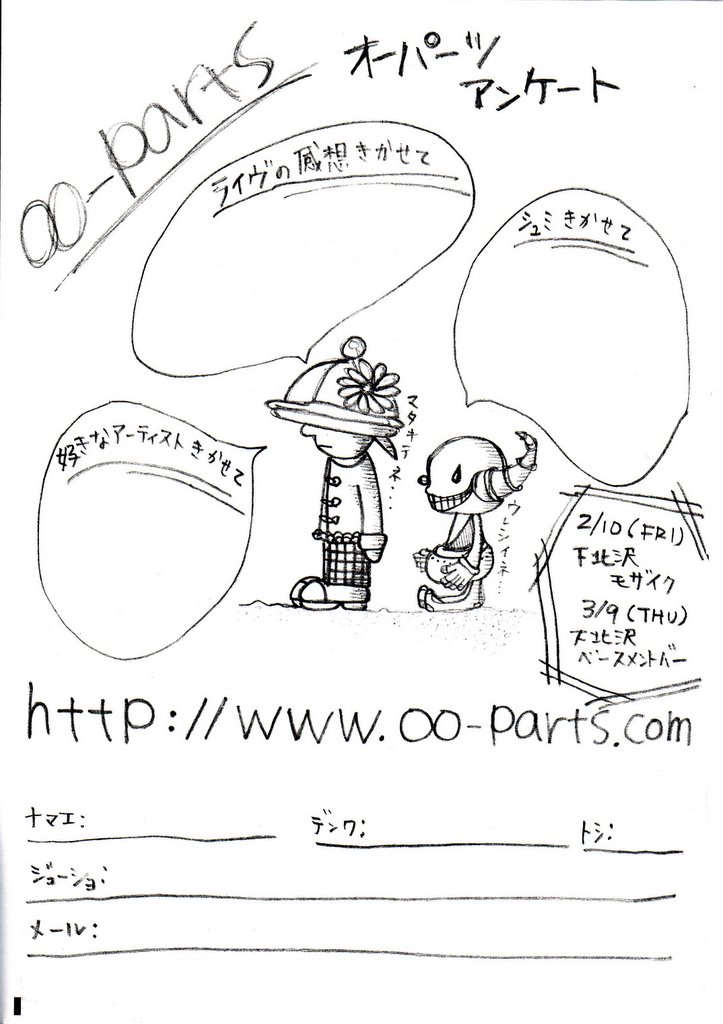
Again, a very home-made flier. Interesting figures in the middle, especially the one with the big horn...


The Kitchen Gorilla's announcement of their first solo show is completely hand-written.


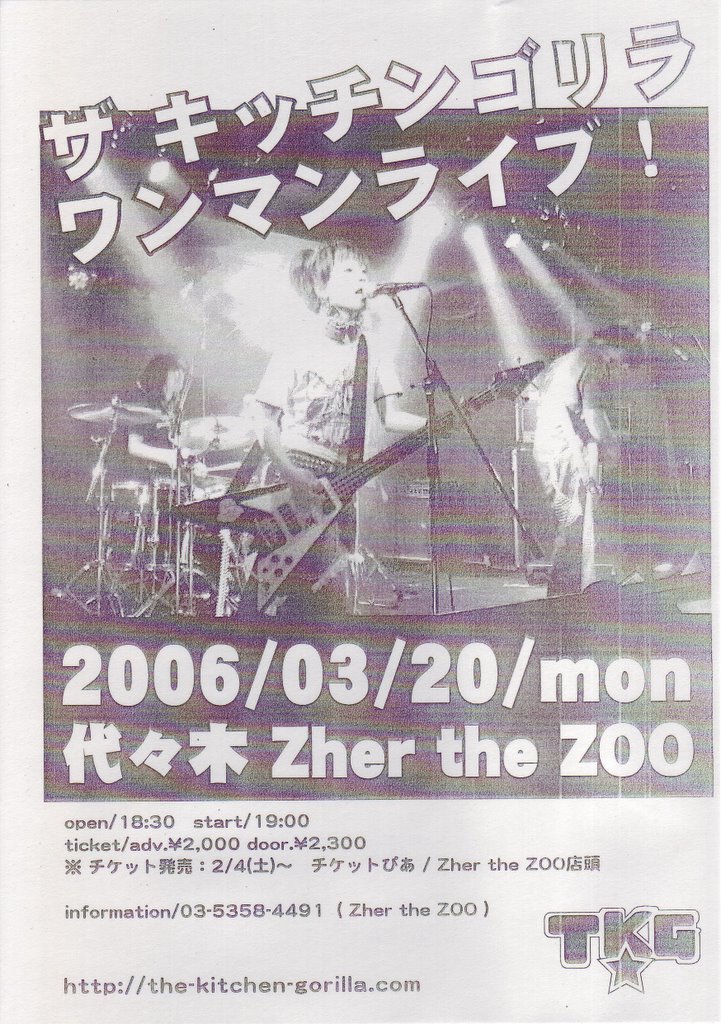
And here's another flier for Kitchen Gorilla's solo show on March 20 at the Yoyogi Zher The Zoo. They REALLY want you to go, and you should, if you are free and you like good rock.

Monday, February 06, 2006

Kuki Kodan At Shibuya Quattro

Kuki Kodan is an unusual band. A Japanese indie pop group that’s been around since 1997, they have a decent following even though they’ve never released a single big hit album. In fact, they seem opposed to the very concept of hit records: many of their past works are limited issue tapes, LPs and CDs, putting a ceiling on the amount of their recordings they can sell, and making it hard for new fans (like me) to find their old stuff. They of course also don’t have any singles that climbed the charts. And they hardly ever play live.

Even so, or maybe partly because they perform live so infrequently, and no fan therefore wants to miss a rare gig, several hundred people showed up at the Shibuya Quattro to see Kuki Kodan (it’s pronounced something like ‘Kooky Koh Dunn’ and means ‘public corporation of air’). It’s easy to tell who the Kuki Kodan fans are in the crowds of Shibuya. Like the music they enjoy, these people are mild-mannered and unpretentious. They look like they just came from a knitwear exhibition. Or had some tea at a patisserie/café. They might have studied foreign literature in school; they certainly read lots of European authors in translation. Kuki Kodan is what they listen to late at night in their apartments, quietly, surrounded by their photography books, small art objects and European posters, thinking about the day that passed and the future they wish for.

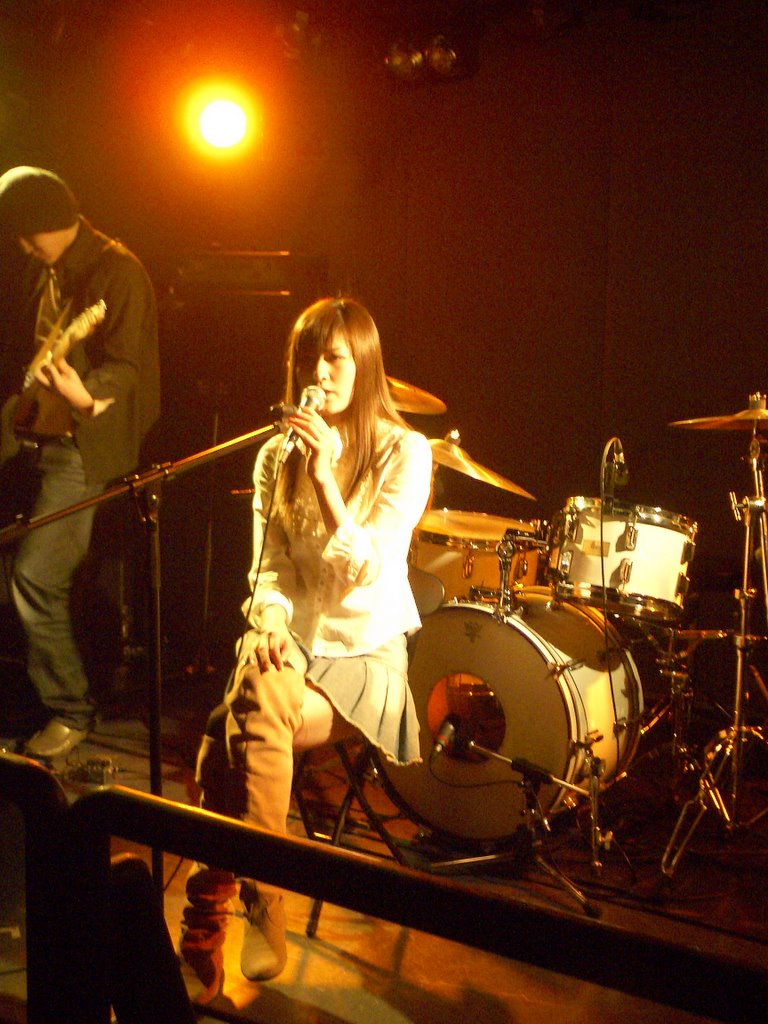
Mellow-out music that appeals to people like these is what Kuki Kodan plays, and they lived up to their relaxed reputation at the Quattro. Yukari Yamazaki, the singer, sat in a chair throughout the show, facing the audience diagonally. As she sang she occasionally lifted her arm slowly, or turned to face the crowd; dancing or making the beat wasn’t for her.

They did about five songs, and then took a 15-minute break. Yamazaki told the audience she ate an egg sandwich during the recess, but missed out on the tuna sandwich. One of her band-mates said he’d buy her a tuna sandwich later; so let’s focus on the show for now. And so it went for a couple of hours. Was this show worth a fairly expensive 3,500 yen? It was. In some of their songs, Yamazaki was able to evoke the joy, sadness and colors of everyday life with her unforced but emotional singing, and I got a better feeling for what all the hardcore Kuki-heads saw in this band.

Saturday, February 04, 2006

MISSWONDA At Shinjuku Motion


I’ve wanted to see songstress MISSWONDA ever since I read about her in chipple.net and bought her album Wonderful Tangent, and so I was happy to see she would be playing with Ricarope and Macdonald Duck Éclair tonight at a new club called the Shinjuku Motion. MISSWONDA brings together an 80’s New Wave synthesizer sound with the singer’s whispering vocals like those of old French pop stars—it’s a combination I’d never heard before, and works well.

But before MISSWONDA’s set, I got to see pianist/singer Ricarope for the first time in more than a year. One of my very first entries in this journal was about Ricarope, and I’m a big fan of hers, but because she doesn’t do many shows (she’s an English teacher by day, a job that keeps her busy) and because of schedule conflicts on my part, I’ve been unable to see her live for a long time. Her show was as upbeat and energetic as I remembered. Before doing a song called “Radio”, she explained that the song was about the fact that she listened to Ben Folds Five on the radio and that made her want to do music.


MISSWONDA was next, and as she came on stage I was struck by her appearance: she’s a tall, long-haired beauty, and there was something Greek goddess-like about her. When she sings she hardly moves, making her seem statuesque. There was an echo effect on her vocals, causing her whispery voice to sound like it’s descending from way above, from somewhere maybe in the heavens high above the office buildings of Shinjuku.

Between songs she said a few words, and her spoken voice was fragile-sounding as her singing as she said: “Isn’t it cold? Lots of people have caught colds, and I did too, even though I don’t usually catch colds. I drink a lot, like one bottle of wine a day, but then I stopped drinking and I caught a cold, so I thought maybe I should drink again…” A whispery-voiced singer who stays healthy by imbibing wine…there was definitely something other-worldly and regal about MISSWONDA.

***

Tonight’s show was held to celebrate the release of an album by the band Macdonald Duck Éclair, who played last. I stuck around to listen to a few of their tunes, but their brand of beepy techno just isn’t my thing. Before them, however, a band I didn’t know anything about called Yucca performed, and they were a happy discovery for me.

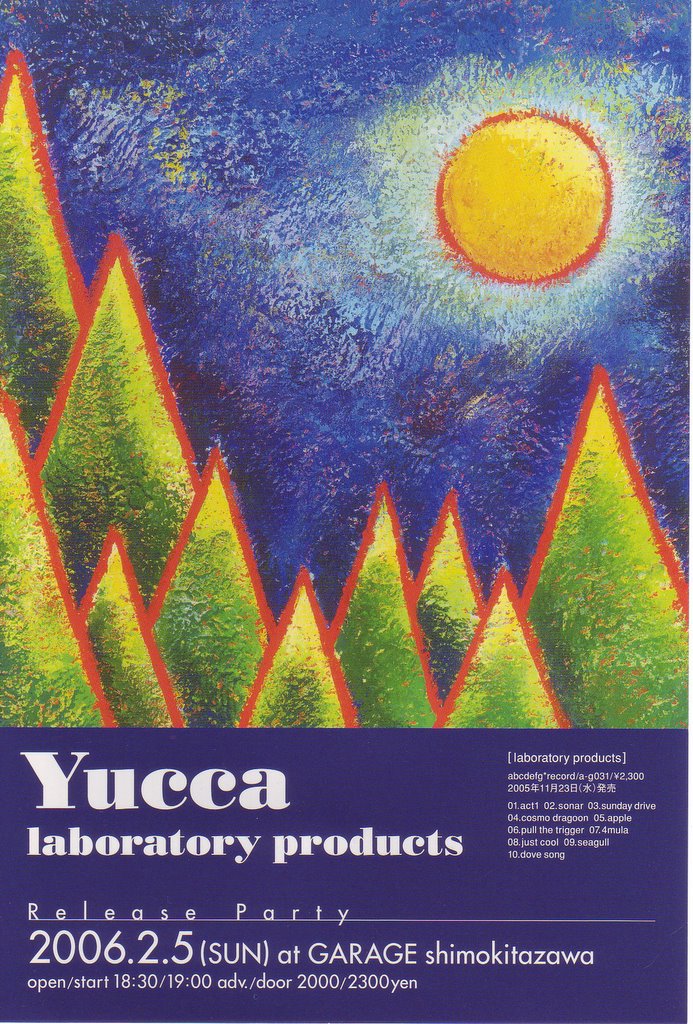
The quartet’s flier says they were influenced by U.S. indie rock and post-rock but that their chief passion is pop music, and indeed they sound a bit like a pop version of Sonic Youth. These guys were astonishingly amateurish in their stage direction, the members getting mixed up about who will say what between songs, and at one point they had to start a song over again because the guitarist forgot to turn his guitar on, but their high-energy, hypnotic pop jam music more than made up for that.


Yucca

Sunday, January 29, 2006

An Orange Plankton Reincarnation


A few weeks after it happened, we fans of Tokyo pop band Orange Plankton are finding out that we weren’t alone in being shocked by the suddenness of the group’s decision to split up in early January.

It seems that the band themselves were fully expecting to continue in 2006, and it was only the night before they made their announcement that they had a talk that led to their putting an end to the group that was Orange Plankton.

At that meeting, Yuki on keyboards told the others out of the blue that she wanted to quit the band (I’m not sure what her reason was). They then decided that since Orange Plankton was always the four of them, they might as well end the band too with Yuki’s departure.

I recently had dinner with the other three—singer Yumi, bassist Tsuji and drummer Tamarou—and they appeared somewhat shell-shocked.

For fans of their music, too, Orange Plankton’s end was shockingly abrupt. Just a few days before the announcement, they were saying they wanted to make 2006 a big year for the band. They ended up not doing any sort of farewell show (luckily, I got to see their actual final show, the one at the Roppongi Morph that I raved about in a previous post, though I had no idea that it would be their last…and neither did the band members, apparently). Their official homepage closed down except for a page with their announcement. Their fan page shut down immediately too.

In those first few days, for fans of theirs there was a feeling of walking around in the fairgrounds after the carnival had left.

All over, there were reminders of the band (piles of their CDs in my room…and exactly how many posts did I wrote on their shows and CDs in Japan Live?), but even so, they were truly gone.

Still, if the group called Orange Plankton is no more, its musicians are still around, and I’m glad to report that they will go on making music and performing.

Singer Yumi will become a solo artist called Yunn (her nickname), Tsuji and Tamarou will form a unit called Yuyake Lamp (“Sunset Lamp”), and those two will perform with Yunn at shows, meaning they will in essence be Orange Plankton minus Yuki on piano, and they say they are also looking for other support musicians. Pianist Yuki, for her part, will be helping out other groups, and it seems that she and the rest of the former Orange Plankton remain friendly.

Yunn and Co. plan to record some songs, and have scheduled some shows too, including one on Feb. 8 at the Kichijoji Star Pine’s Café, which I can’t make. It looks like they will be doing many other shows, including one, possibly, in Seoul late next month, and I’d really love to make it to Korea again to see that performance.

Thursday, January 26, 2006

Neomarxisme On Rehearsal Studio Culture

Interesting thoughts by writer-musician Marxy on lack of garage space in Japan where novice bands can practice, the existence instead of a slew of inexpensive and well-equipped rehearsal studios, and what this means for Japanese bands' musical development.

I'm not sure I agree with his thesis that these studios, with all their fancy gadgets and high comfort level, make it almost too easy for bands starting out, leading to musicians that care more about having fun for themselves than putting on a good show for an audience of strangers (maybe I've been lucky but I haven't seen many groups like this myself), but it's food for thought. And a nice report on how indie Japanese bands practice.

Sunday, January 22, 2006

Take Care, Naoki Kishihara, Bassist, Plectrum


Naoki Kishihara

Saturday was a rare snowy day in Tokyo, the streets slippery with ice, but even so fans of Tokyo pop band Plectrum showed up en masse at the Shimokitazawa Club Que to see the band—the place was packed. And seemingly everyone who is anyone in the Tokyo indie pop scene was there. The bassist of Swinging Popsicle. The singer of advantage Lucy. Members of Cellophane, the Castanets and Gomes the Hitman. Everyone was there because this was a special event: it was Plectrum’s last show with Naoki Kishihara on bass, and we all wanted to see his final show as a Plectrum.

The departure of Kishihara, or ‘Kitchon’ as he’s affectionately called by everyone, came after ten years in the band. He was moving to another city to start a new job. It was the end of a career that began when he became a college roommate of Taisuke Takata, Plectrum’s leader. Kitchon, three years Takata’s junior, moved into the college dorm carrying a guitar. When Takata heard Kitchon play some blues licks, he invited Kitchon to join his band, but as a bassist rather than a guitarist because that was what they were looking for. So guitarist Kitchon joined Plectrum as a bassist.

Kitchon was the Mellow One in Plectrum. While singer Takata and lead guitarist Akira Fujita set the stage on fire, Kitchon usually stood to the side, enjoying the show, but staying cool. I found him to be the most approachable Plectrum at the beginning, and we became friends. Like many people that went to the Que on Saturday night, I just had to see this show.


It was a great performance, lasting two and a half hours, including two encores. Plectrum played all their classics from their decade of existence. Until about the end the band didn’t talk about the fact that this was Kitchon’s last show, but most of the audience knew, and many gathered in front of him below the stage and took pictures. When Kitchon walked on stage at the first encore, someone gave him a bouquet of flowers.

Then, in the dressing room between the first and second encores, something snapped for Kitchon, and when he came back on stage his eyes were bloodshot and watery. The band played one last song, a new tune that they recorded in a mini-album, Sweet Memories, that they made for this show, and in the middle Kitchon could no longer hold back his tears, and turned his back to the audience and faced the amp.


At the end of that second encore, almost the entire crowd stood in place, silent, not clapping for more songs, but not wanting to leave either. I’ve never seen anything like it. This was an audience that knew that two encores were about the limit and that the club usually wants everyone out by 10PM, and so at first they didn’t ask for a third encore, but neither were they ready to leave. So, we all stood, quiet, emotional. After a few minutes, some people in the front started to clap. Soon, the rest of the audience joined in the applause, very quietly.

Plectrum came on stage one last time to thank the crowd, and Kitchon also said thanks, we should all be able to meet again. Which must be true, as long we’re all here in this world.

Friday, January 13, 2006

10 Favorite Japanese CDs of 2005

Here are my ten favorite Japanese albums and mini-albums of 2005.


1. Advantage Lucy’s Echo Park
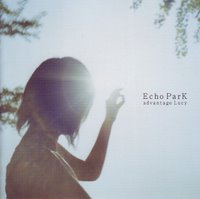


A thrilling musical pageant of guitar pop, rock, and neo-acoustic songs, Echo Park, advantage Lucy’s first album in four years, would probably have topped my list of favorite albums in any year. “Shiosai”is among the best songs recorded anywhere in 2005, and every other tune on the album is gorgeous. A reviewer described in simple but illuminating terms the appeal of this album: “the singing is gentle but strong, the sound is elegant but heavy”. A longer review I wrote of the album is here.


2. Spangle call Lilli line’s Trace and For Installation



Spangle call Lilli line’s music took an abrupt turn into new territory in 2005 in the album Trace, making them sound sometimes like dance pop you’d hear on Top 40 radio. This left some fans of their slowly-developing, epic old songs unsatisfied, but give it a chance and you will see its lovely artfulness that connects it to previous albums like Or and Nanae. I think the two mini-albums Trace and For Installation should be listened to as a double album, going from Trace’s new pop experiments to For Installation’s more familiar Spangle sound.


3. The Kitchen Gorilla’s One and My Voice
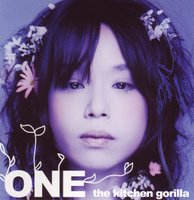
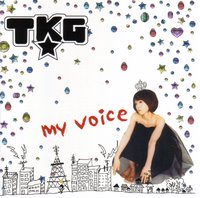


I found out about the rock trio the Kitchen Gorilla sometime in 2005, and I’ve gotten hooked. They released two mini-albums during the year that, again, should be listened to as one whole. Both deal with vocalist Kayo’s literally almost losing her voice (due to a throat problem). One, the first of the two, is more mellow, containing gems like “Beautiful Sunday”. My Voice is intense from the start, a rocking body-slam of emotions. Kayo’s singing is phenomenal throughout, a high voice that never stays still, and often soars.


4. Gomes The Hitman’s Ripple
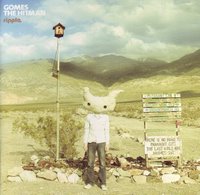

Veteran Japanese pop band Gomes The Hitman is led by Toshiaki Yamada, a lover of American alternative acts like Death Cab for Cutie, Sufjan Stevens and Wilco. He’s called Ripple a watershed album for Gomes, and on that I agree with him: every song is deeply satisfying, passionate pop for grown-ups. Ripple is the equal of albums of the American bands Yamada loves.


5. Vasallo Crab 75’s Today Is Tomorrow
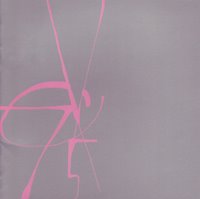


I haven’t had a chance to write in detail about this album by Vasallo Crab 75, but Today Is Tomorrow was, along with advantage Lucy’s Echo Park and The Kitchen Gorilla’s My Voice, one of the Japanese albums that excited me most in the second half of 2005. It’s like a DJ party of an album, the party guests taking turns putting on guitar pop, funk, disco, and even classical music, and getting a kick out of the resulting mix.


6. The Clicks’ Magic of White
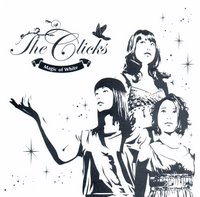

A collection of simple, straightforward, energy-filled pop-punk songs that could have been put together in a garage anywhere in the world, there’s nevertheless something different about the Clicks’ Magic of White. For one thing, the three Clicks girls rock as hard as the best of them, but with cuter voices. For another, they created some of the catchiest rock songs in 2005, like the title track and “Love Bomb”. It’s a shame that they called it quits.


7. Waffles’ Orangery
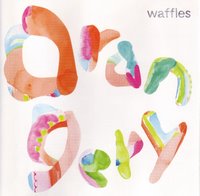


Bright piano pop from Waffles, a group that follows in the musical footsteps of bands like advantage Lucy. Kyoko Ono, the band’s vocalist and keyboardist, who writes the songs, infuses her sung words with emotion; she has a girl-next-door voice, but few Japanese vocalists sing with her passion.


8. On Button Down’s Nordic Forest
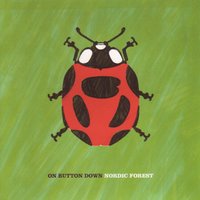

This fun album opens with two catchy alternative pop songs, but then descends into extended, post-rock-like ambient pop music compositions that please the ears and stimulate the brain. The guy and gal that make up On Button Down are a duo to watch.


9. Limited Express (has gone)’s Makes You Dance!
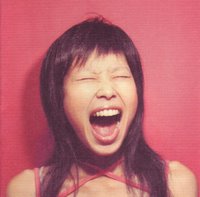


The brilliant second album by Limited Express (has gone?), a Japanese trio who plays eccentric rock like the Ruins and Boredoms, this album contains the weirdo rock classic “Tiger Rock” and other adventurous pop tunes. More here.


10. Hazel Nuts Chocolate’s Cute
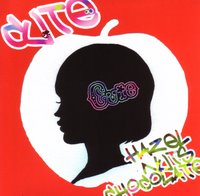

As the album title suggests, “cute” is the concept here, and that vocalist Yuppa’s soft-voiced singing is. But Hazel Nuts Chocolate isn’t music for air-heads: it borrows from diverse musical styles including dance music, pop, hip-hop and jazz, and the compositions are uniformly solid. “Swing Life”, in which Yuppa sing-raps in the sweetest way imaginable, is one of the best songs of the year.

***

I also liked Tokyo Pinsalocks’ Rhythm Channel, Murmur’s Good Grief!, and Plectrum’s live album, Live 4 Live.

My list is pretty pop-heavy, a reflection of my recent preferences. For a different take on Japan’s best music in 2005, take a look at Keikaku.net’s great top albums list, featuring the top-five picks by all of its staffers. They’re more into rock acts like the Band Apart and Ging Nang Boyz (though we agree on advantage Lucy).
Thursday, January 12, 2006

Sakerock, Tucker, Kiseru

I went to see the Sakerock/Tucker/Kiseru show Thursday night because I was in the mood to see a few bands I knew nothing about, and also because I liked these groups’ names. Kiseru is the thin pipe that old folks smoke with in Japanese historical dramas on TV—a curious name for a folk duo. And the sake in Sakerock is the name of Japanese rice wine. I could see where they were coming from—knocking back a few pints of sake has made me felt like a rock star on several occasions. The show seemed to have promise, so I headed to the Shibuya Quattro, which was packed.

Kiseru was up first. The duo played vaguely psychedelic folk, and it was good, pleasant music, but sweet-singing two guy folk units like Kiseru (duos like them seem to be a popular sub-genre in Japan now) always remind me of that singer in Animal House whose guitar is destroyed by John Belushi at the stairwell…

Next up was Tucker, who was a crowd pleaser. He started out DJ-ing, but also played a mean electone organ, and also nibbled at the electric bass and guitar and drums. At one point he played a bass part and put that on a loop, moved to the electric guitar and did the same, then ran back to pound the drums, becoming a one man punk band. Tucker seemed to like a retro sound, the sort of music you’d hear in silent movies, and he covered music like the Pink Panther theme and the song “Tequila”. It was like a 21st Century Neo-Tokyo vaudeville show. At the end, for the climax, Tucker set his synthesizer on fire.

The headliner was Sakerock. They seemed to combine jazz with kayoukyoku, popular Japanese music, and I kept on thinking they were retro in a Taisho Era (1912-1926) sort of way. Maybe it had to do with the way the vocalist played a trombone wearing a hakama. The singer was better when he sang and scatted than when he blew the trombone, and what’s the point anyway of listening to a passable trombonist at a crowded Tokyo live house if you can see amazing jazz players at much more comfortable jazz clubs? I didn’t stick around until the end of the Sakerock show, but while I was there I had a good time. And I liked it that nearly a thousand young Tokyoites showed up at the Quattro to see a band that seemed to have time-warped into Shibuya from an earlier era.

Saturday, January 07, 2006

Goodbye, Orange Plankton


I received word yesterday that Orange Plankton, one of my favorite Japanese pop groups, has disbanded. Although I know in the abstract that no band can last forever, still, the news of this band's end came out of the blue and came as a shock. It made an already bitterly cold Japanese winter seem, somehow, even colder.

For some time I’ve felt that a rock band can be one of the most glorious ways for people to associate with each other. At best, a band is a group of strangers that gather together and make music that moves the heart and defines an era. But a band too has a lifespan, and it’s much shorter than that of a human being. Its span is more like that of a small mammal’s. Even the Beatles, after all, lasted only about nine years.

So maybe it shouldn’t come as too large a surprise that Orange Plankton, which formed in 1999, are leaving the scene. I had noticed that the band had changed, which I noted in a previous post, though I didn’t think it was the sort of change that would lead to dissolution. The main thing that struck me was I learned that the band members now only got together about once a week: when I first met them two years ago, they left every evening free for practice or meetings. Still, the band had been talking about big things for this year, including signing a major label contract, and I had hoped that 2006 would be the year that they’d be able to achieve some of their goals. Instead, on the sixth day of the year they announced they were quitting.

I haven’t heard the exact reason for the band’s decision, but I suspect that lack of commercial success was one. I always thought that Orange Plankton, with their catchy, somewhat jazzy piano pop, was one of Japan’s best bands, and a small group of true believers agreed with this, but most Japanese music buyers didn’t, or simply didn’t know about them. With all the members either approaching or at the age of 30, maybe they felt it was time to move on.

It’s sad to think that, barring some drastic change of heart or a reunion, I’ll never again see Orange Plankton play live. Their shows were some of the highlights of my years in Japan. At the least I know that the members will still be making music as individuals.

What I’m left with is the band’s four albums, several singles, a lot of band goods that they made themselves (including an Orange Plankton fan they sold during a Japan tour in the summer of 2004, when the steamy hot weather made it come in handy), and a lot of memories.

I remember: seeing the band for the first time in 2003 at the Shibuya Quattro, and being struck by the way singer Yumi started gently but in only about 10 seconds shot up in intensity to do one of the most rocking pop shows I’d ever seen.

I remember: coaching Yumi on a song in English (“Weather and Music” from Wakusei Note) at the band’s apartment/office, color pencils that Yumi used to draw visual images of songs spilling from the living room table.

I remember: in the southern city of Nagasaki, seeing them playing their hearts out to a gaggle of apathetic-looking teenagers at a hole-in-the-wall club.

I remember: also seeing them in Okinawa, and between shows going to the beach and staring down at the bright tropical fish and sea slugs in a coral reef with them, wondering if experiences like these help Yumi come up with her beautiful songs.

And of course there were the many shows of theirs I went to in Tokyo—so many memories!

It’s sad that they are gone, but I’m glad I met them.

Goodbye, Orange Plankton.

Wednesday, January 04, 2006

Goodbye, Lost In Found


If you've never heard of a Japanese band named Lost in Found, that wouldn't surprise me. They were only around for a few years, and never released a proper album, though they did come up with a full-album-length CD-R that was quite good (you can listen to song samples from it here). But for quite a while, I was as excited about Lost in Found as I was with actually well-known bands, felt they were something new and would go places, and so now it makes me sad to hear that they’ve decided to call it quits.
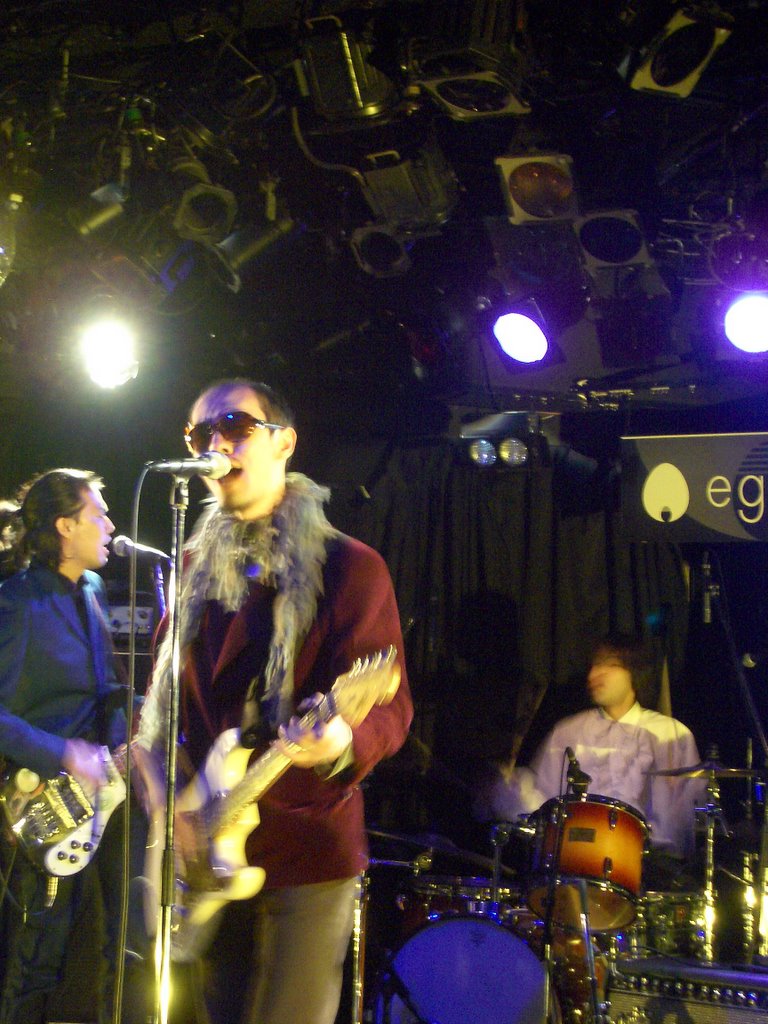
They didn’t give a reason for splitting up. Some of the members will play together in new bands, and the name “Lost in Found” will live on as the name of a new independent record label.

Lost in Found was a group of guys and girls in their twenties who already had day jobs but loved indie pop bands like Belle & Sebastian and the Lucksmiths and decided to form a band of their own. The members changed, but the way I remember them most is as a six-piece band that included Mike, a tall Canadian, as the singer and rhythm guitarist, a girl named Mineko as the second vocalist and keyboardist, and another girl named Yukiko on flute, trumpet and synthesizers. On stage, they always seemed like happy beginners, but that was part of their charm.

I first found out about Lost in Found when I took a trip to Seoul to see advantage Lucy and others on an overseas tour; Lost in Found was one of the groups traveling with Lucy. Takayuki Fukumura, the late guitarist of advantage Lucy and Vasallo Crab 75, brought the two bands together, in one of his tireless efforts to befriend musicians and get them connected (how I wish I could have met him at least once!). In Seoul, some of Lost in Found were in awe of advantage Lucy, a popular band with a long career (guitarist Taisuke said he was nervous at first talking to Lucy singer Aiko because he’d only seen her before on TV); Lucy, for their part, saw a reflection of themselves as a young band in Lost in Found, and also liked the relaxed and pure quality of their music, and became big supporters.

From Seoul they went on to play at relatively prestigious Tokyo live houses like the Que and Shelter in Shimokitazawa, in addition to gigs at tiny cafés, and there was talk about their working on an album this year, but I guess that was never to be. Still, I think their album that never officially came out is well worth listening to—I especially like an upbeat song from the album called “Radio 24” that deals with breaking up and contains raw lines like: “One of my friends told me, she started taking Ecstasy, when her boyfriend left her”. Who knows, if you like their sample MP3s, and if you ask them nicely enough, maybe their indies spirit will prompt them to send you a copy.

Monday, January 02, 2006

The Real Thing

I go to a lot of rock shows.

Usually, I go to at least one a week, and sometimes four or five. The number of new bands I see at these shows—maybe a hundred a year?

I go to so many for a simple reason—there are few things that grab the heart as a great live rock show, and every time I witness one, I want to go back for more.

But in this deluge of live shows, I sometimes wonder whether a group I gushed about in a past post was really as good as I remember them, or, whether, it’s a case of rose hues having started to seep into my memories, making everything in the past look brilliant and special.

The past couple of weeks I went to several shows where I realized I hadn’t been wrong: the bands I’ve praised were, in fact, great. They were for real.

One such show was Orange Plankton’s at the Roppongi Morph on December 26. I’ve probably written about this quartet more than any other group, and have long felt that their gentle, beautiful, emotion-packed pop music deserves wider recognition. But it had been a few weeks since I last saw them live, and I again started to wonder: were they as good as I described them in past posts, and as I remembered?

Their live show dynamited my doubts. It started with a music video played on a screen on the stage that, puzzlingly, had a quiet Orange Plankton song as background music to a film about a bloody pro wrestling bout. It was somewhere between provocative and in poor taste, but it gripped the audience’s attention. The band then appeared and did a set comprising their slowest, most intense songs including “Mebuki” from the album Wakusei Note, a tune about death and regeneration.

As sometimes happens at great shows, I found my eyes becoming watery during parts of the exhilarating half an hour that Orange Plankton played. My friend Phil, who joined me at the show, accurately described part of their appeal: while singer Yumi, keyboardist Yuki, bassist Tsuji and drummer Tamarou are all outstanding musicians, none of them try to stand out or show off, and instead they all work to create a harmonious musical whole. I’ve seen many bands in Japan but there are few that make me think, like I do when I see Orange Plankton on a good night, that these guys are the real thing.

***

Another evening that helped me remember why I spend so many nights in cramped, loud, smoke-filled basements was the Mona Records café live on the 28th, featuring Plectrum; Takashi Nishiike, guitarist of Cellophane; and Toshiaki Yamada of Gomes the Hitman. These three groups and advantage Lucy used to go on four-band tours as GAPC (taking the first letter of each band’s name), and their members are all good friends.

All the GAPC bands have been around since at least the mid-90s, have been on major labels, and know how to make the audience rock, even if they are doing an acoustic set like they did at Mona. I wonder whether GAPC will ever do a reunion tour? I’ll be the first in line.

Tuesday, December 27, 2005

Advantage Lucy at the Festival of Light


advantage Lucy

On December 23, which is the Emperor’s Birthday holiday in Japan, advantage Lucy played two sets at the ‘Festival of Light’ in Adachi Ward (a ward is like a city district). This was the third year that the Tokyo pop group appeared at this free event, and though I missed last year’s show I did make it to the one two years ago, and had fond memories of it.

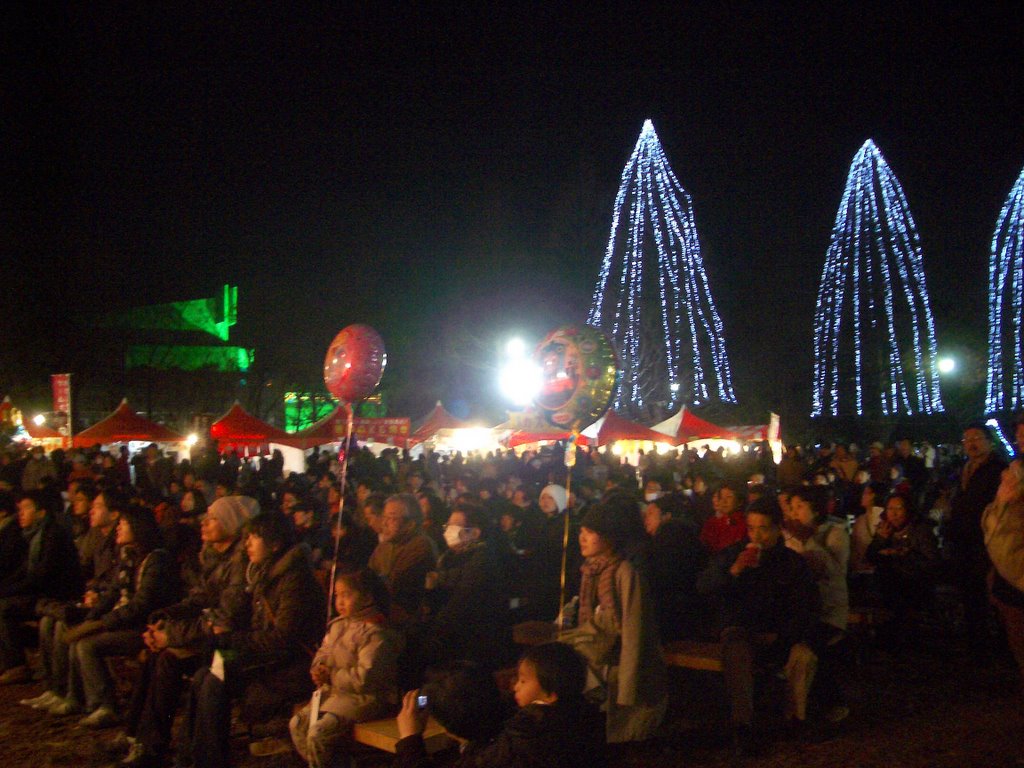
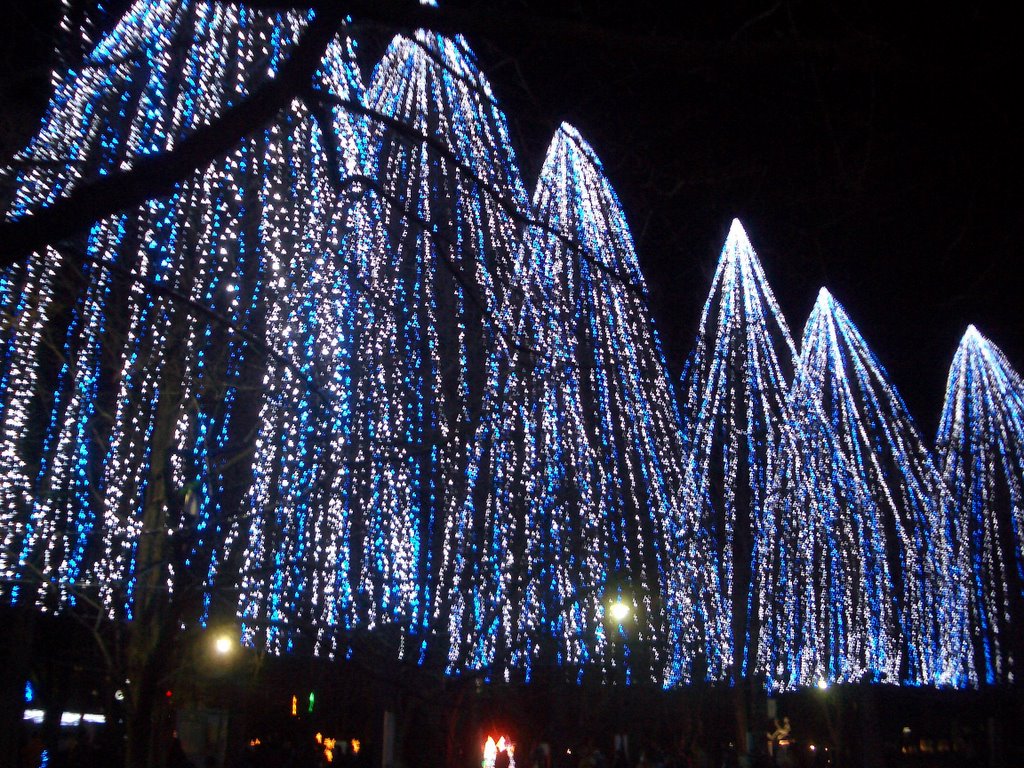
Going again to this event I remembered what I liked about it—the atmosphere is familial and relaxed, taking place in a public park whose trees have been lit up for the holidays. People of all ages sit outside in the chilly evening to watch the shows, while kids run around the stage and hide behind the illuminated trees. Encircling the stage are food stalls, whose shopkeepers call out, between breaks, what they are selling.

There’s also the wonderful feeling of anomaly of seeing advantage Lucy, one of Japan’s great bands, playing on the same stage as children’s electric piano groups, senior citizen choruses, and so on. On Friday night, they played first at a park near Ayase station, and the performers that went before them were called the Beautifuls, who described themselves as “Japan’s #1 Hustle Salaryman band” (unfortunately, I missed them). And after advantage Lucy's second set, which was at a park in Takenotsuka, a troupe of high school hip-hop dancers took the stage (for the finale these hipsters danced in Santa outfits).

One other nice thing about this event is that advantage Lucy’s music matches perfectly the feel of the wintry Tokyo evening. Maybe it’s singer Aiko’s voice, which is pure and crystalline, like the icy nighttime air. It also helps that they play their most festive, holiday-like songs such as “Hello Mate” and “Weekend Wonder”. During their second set they did a very slow, gorgeous rendition of their ballad “Today”.

At one point there was a little girl in front of me wearing a sky-blue down jacket standing transfixed by advantage Lucy’s show. Her expression, as she looked at the musicians and the happy audience, was somewhere between curiosity and puzzlement. I wondered whether one day, just maybe, she too might be playing music on that stage.

Friday, December 23, 2005

Vasallo Crab 75; Cerebral Vs. Physical Shows


Vasallo Crab 75

Thursday night’s show at the Shibuya Eggman looked promising on paper, and I was looking forward to it: it featured Vasallo Crab 75, an indie pop/funk band I’ve written about many times before, as well as Shugo Tokumaru, the internationally respected alternative music guitarist, and the Tenniscoats, a guy-girl duo that came highly recommended by Tokyo Gig Guide.

It turned out to be an interesting event, but also one that made me think about the True Essence of a good live show. Vasallo Crab 75 played last, and there was a big divide between their energetic, physical set, and the much more cerebral performances of the two acts that preceded them, the Tenniscoats and Shugo Tokumaru. Those latter two’s attitude toward a live show seemed to be, ‘we will now create beautiful, innovative sounds for you, and we won’t move around that much on stage or do much else besides play our instruments, but we hope you will enjoy the music for its own sake’. Tokumaru, in fact, asked for the stage lights to be darkened so that he could barely be seen, and didn’t say much other than some nearly inaudible mumbled words at the start.

And indeed, the Tenniscoats and Tokumaru both played compositions that were admirable for their adventurousness and beauty (in particular, I found it remarkable the way that Tokumaru would seamlessly switch from jazz styles to classical to Latin to trash culture pop to create his own sound). These guys seemed like musicians’ musicians. The problem is, I’m not a musician, and as a regular live-house-going music fan, I found that the earnestly played, innovative music made me sleepy after a while. Maybe the venue was part of the problem. I felt this type of music might work better where you could relax and listen, like a café, or maybe played somewhere that is beautiful such as a cathedral or an outdoor natural site, rather than a basement live house.

In the end, though, live music is entertainment, and I need an ingredient in addition to the music itself to be entertained. I want to see that the musicians are into their songs, like it when they hop around and dance on stage, and I appreciate it when they make an effort to draw the audience into their music. If not for those things, is it even worth paying money and sacrificing an evening to see a band play live? Every band I go to see often is full of life on stage, though each in its different way. Vasallo Crab 75 certainly is, and was at the Eggman show, six guys that are totally into their music, but at the same time want the audience to get into the songs and dance along to them.