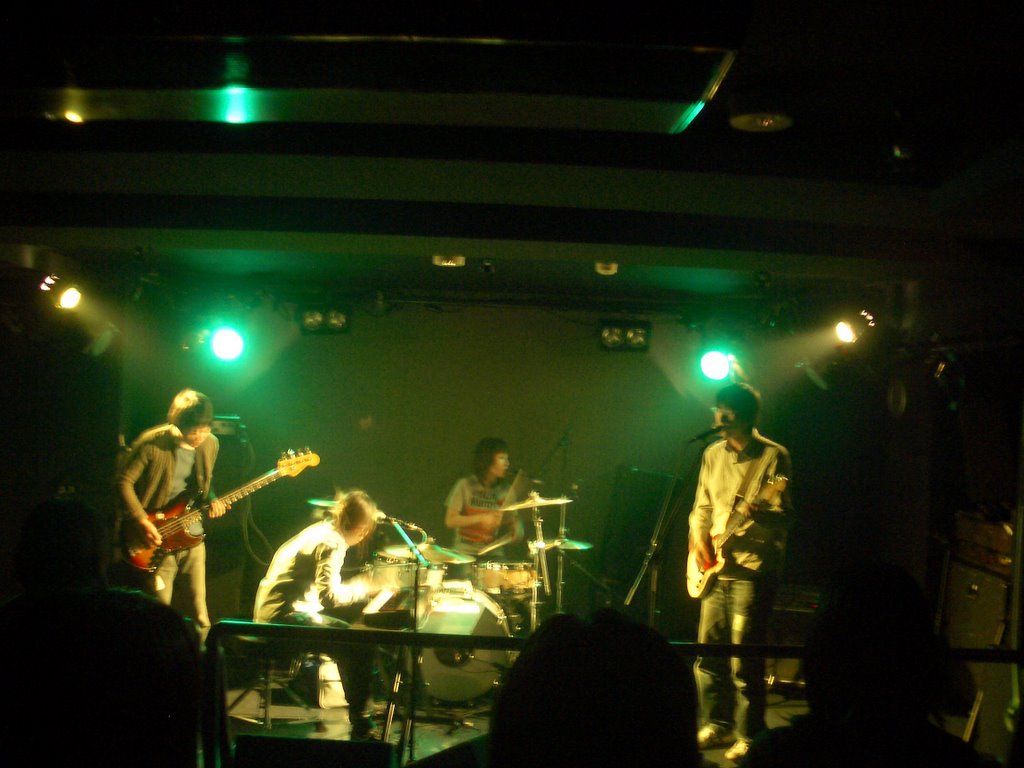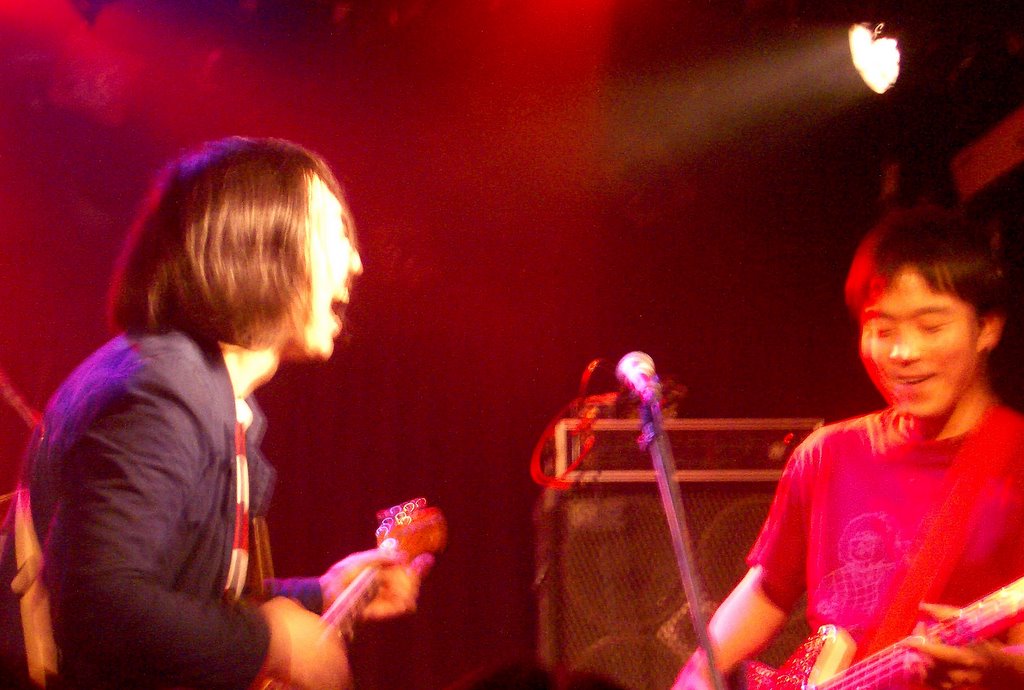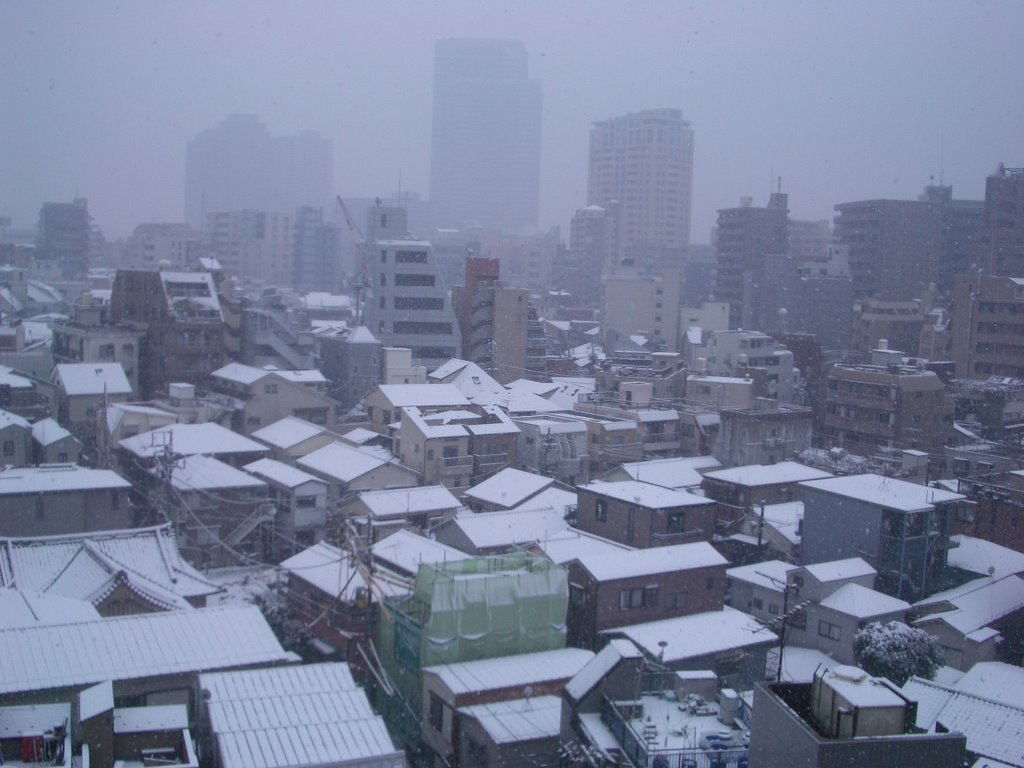
Friday, February 17, 2006

Ken M, Band Flier Analyst


Anytime you go to a rock show in Tokyo, you get a stack of fliers at the door advertising upcoming shows, events and new albums.

Some people consider these fliers a nuisance, and chuck them right into the trash bin. I, however, consider them a treasure trove of information.

Like the way a Kremlinologist would have studied photos of a May Day parade to see in what order Soviet leaders are seated, I go over these fliers with care.

They not only tell you what shows are around the corner, and who has released new albums, but they also reveal stuff like which band is friendly with which other band, and what kind of venues a band is playing at and how often, providing a sense of that group's career choices and degree of success (are those things interesting? Well, they are to me...).

The fliers are also often wild, colorful art objects--you can tack them up on walls for interior decoration purposes, if you are so inclined. Here are a few fliers I was given at a couple of shows I went to recently:

First, the flier above, "Attack From the Back Position"--I love this one! It totally grabs you. The green armed, purple haired slacker monster is wearing a NOFX T-shirt, suggesting that the bands playing at the show are into that kind of punk rock. Even if that's not your thing, you still have to love punker fools who decide to name their band Brassier Hook (as in 'bra strap'...Romeo Rocks and Spitball Spiky are also good names for rock bands).
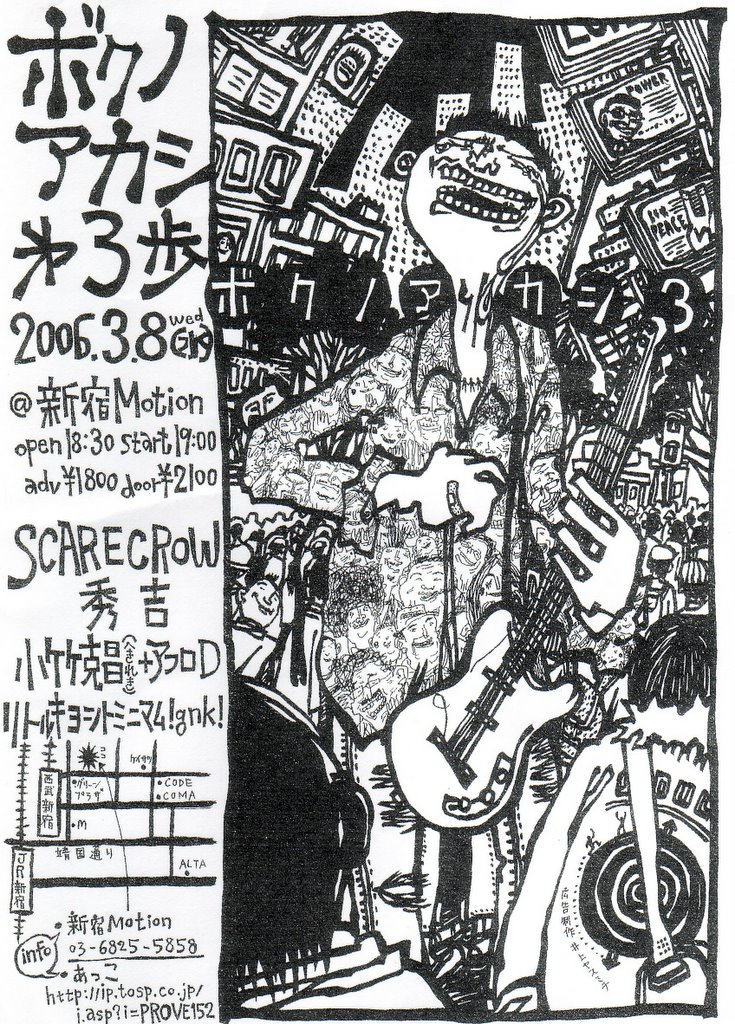


I don't know any of the bands in this flier above, but I like this cartoon/expressionistic picture of the guitarist.


This guy scares me a bit... I hope this is meant to be humorous.
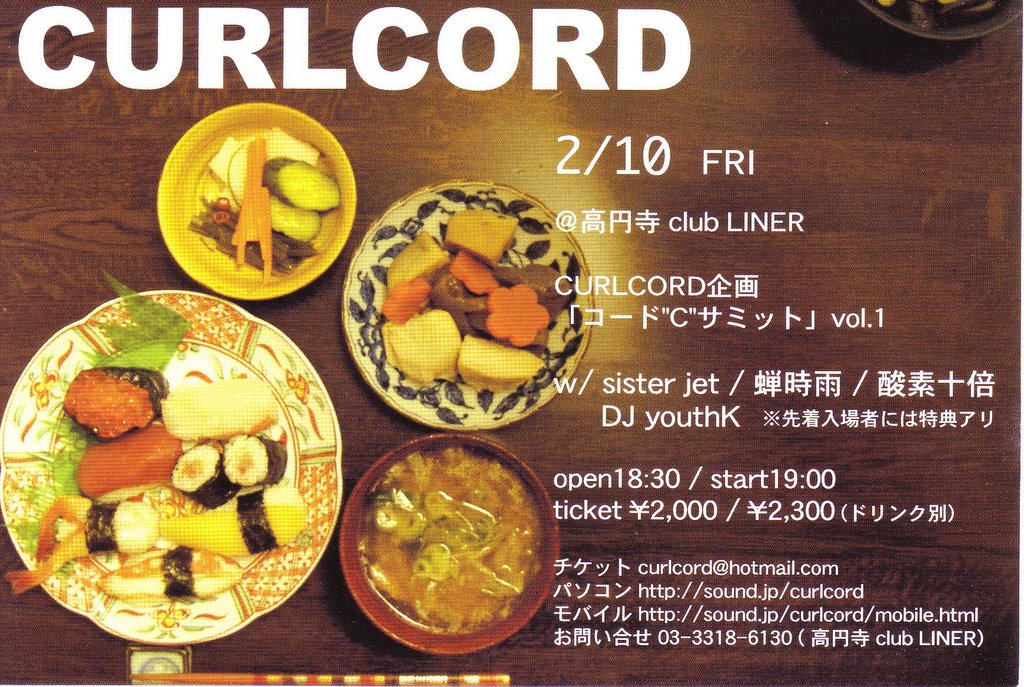


I found myself strangely drawn to this show, my appetite whetted, I'm not sure why...


A cool illustration of a spaceman on a kid bicycle.
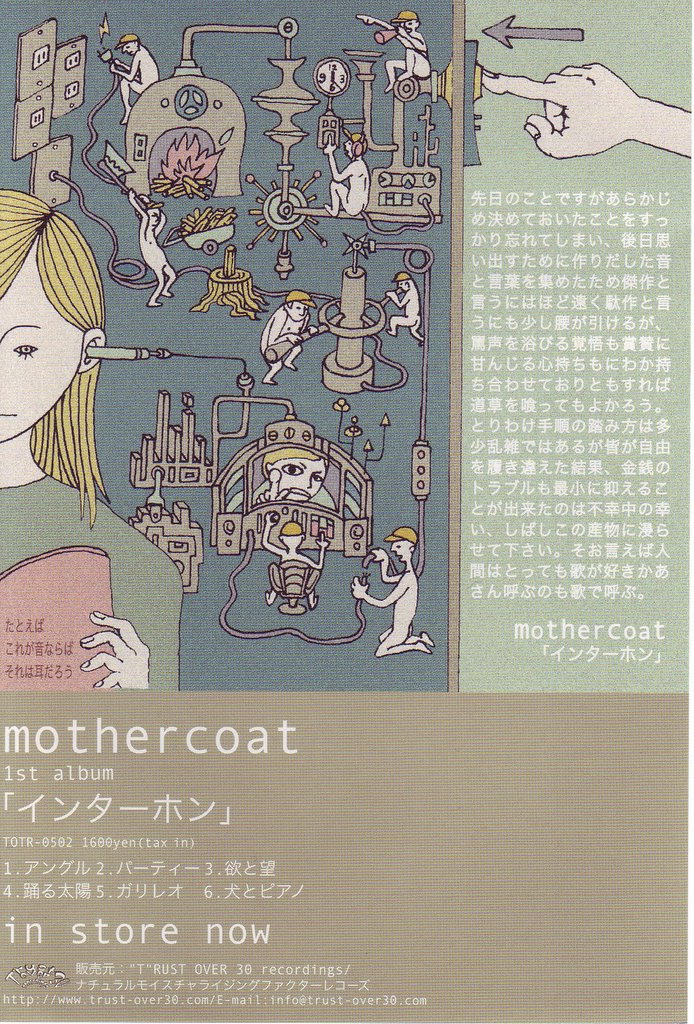


A flier for mothercoat's first album Interphone, which I'm planning to buy, and their Japan tour (I hope I can make it to at least one night of those shows). If you look carefully, one of the little guys has a cable coming out of a mighty strange place...


These guys had a good show the other night at the Shinjuku motion.


A nice illustration of a Tokyo (?) street at sunset. This flier is for a band named Doburoku, Japanese for 'moonshine sake'.


A couple of classy fliers. The second one advertises a show by Northern Bright, a band I've been wanting to see for a while.


This one looks futuristic in an Asian way.


Barbie Attack Doll(s)
! A great name. And I like the photo of the kid holding up a Gibson Les Paul in a park somewhere.
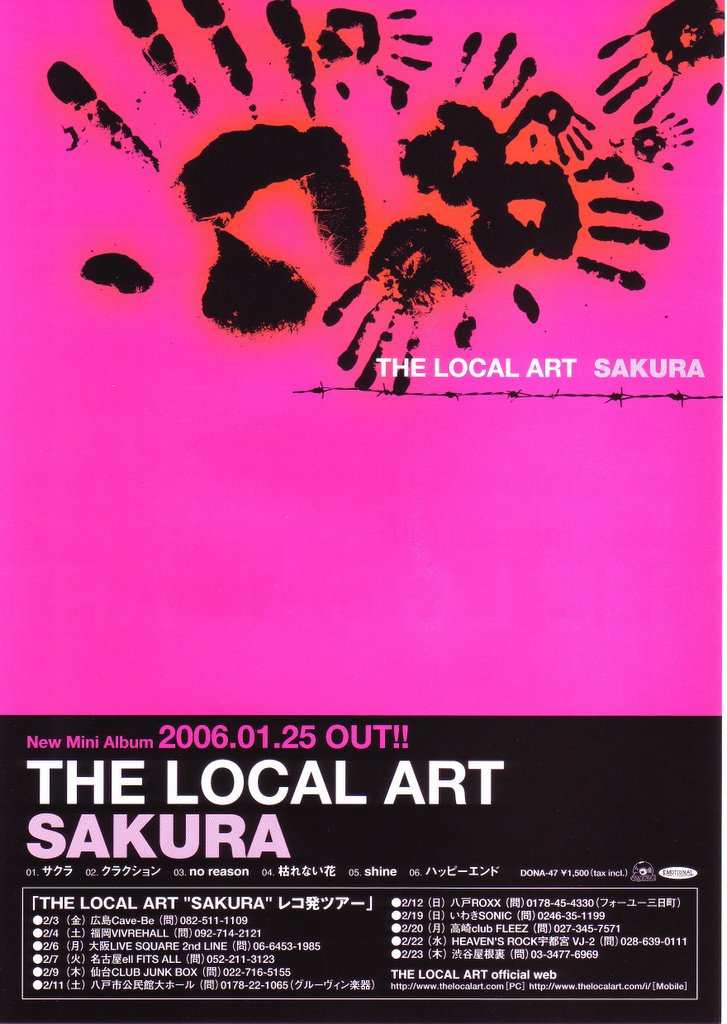


Nice pink art.
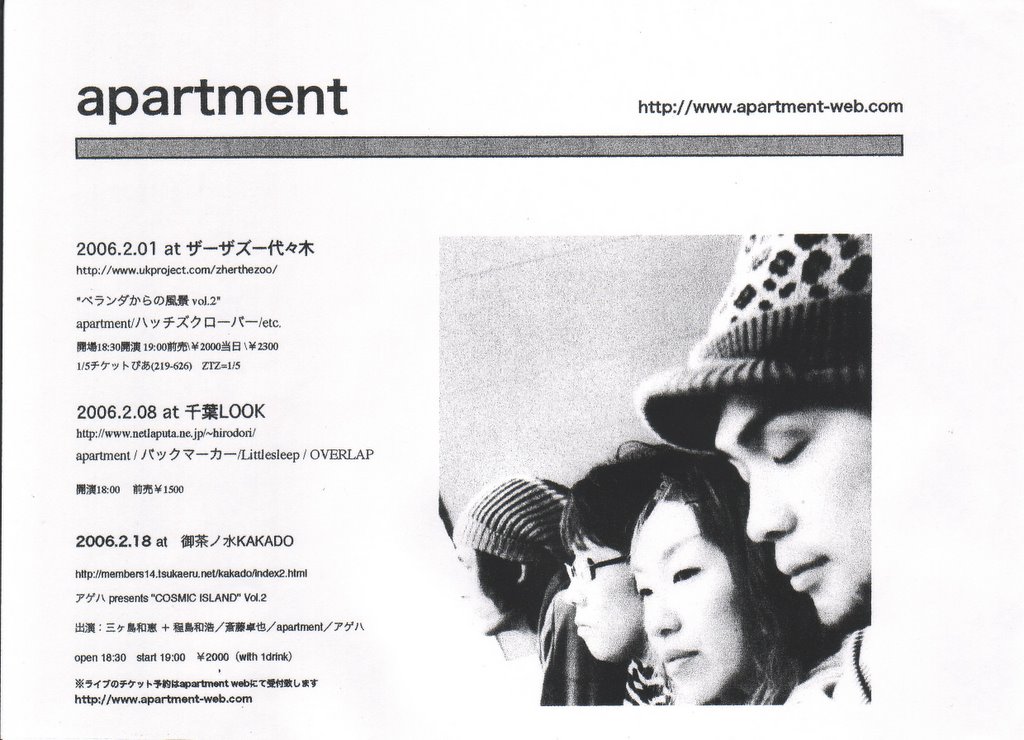


Apartment is a band I've heard good things about, and have wanted to check out.
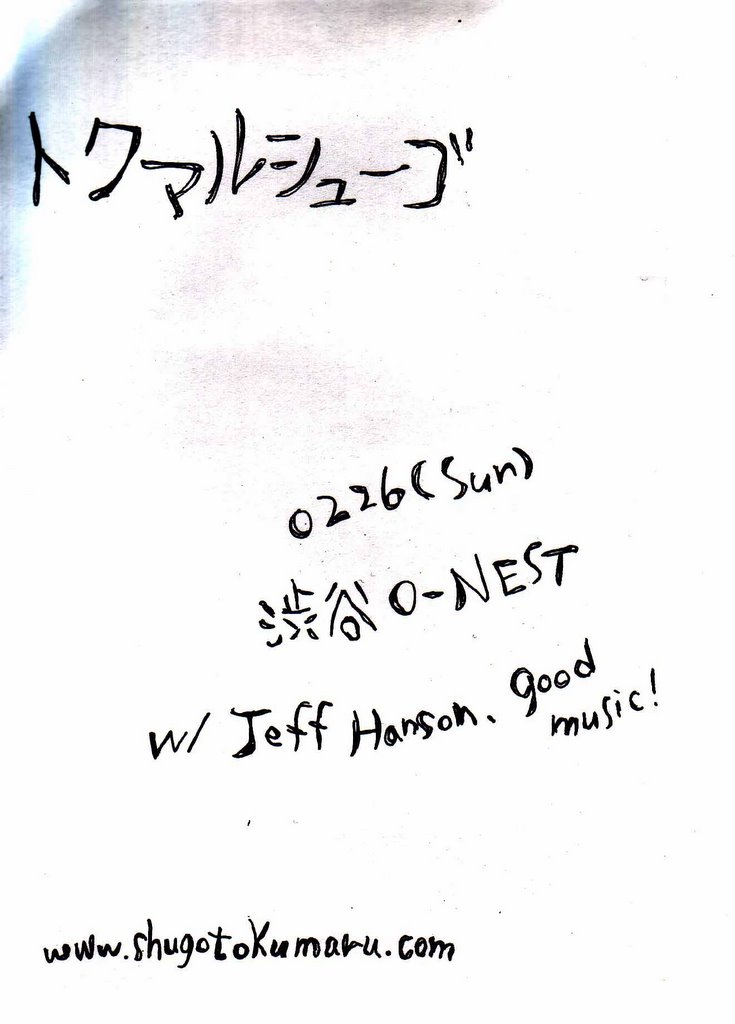


A minimalist flier by Shugo Tokumaru.
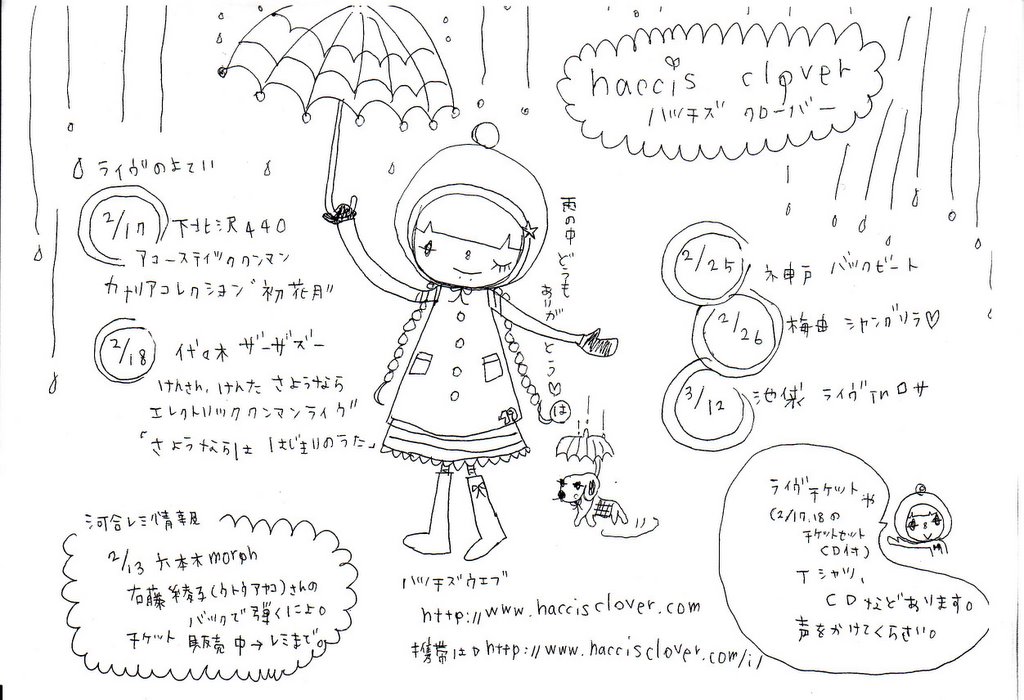


A hand-written, hand-drawn flier aimed presumably at conveying a homey mood.
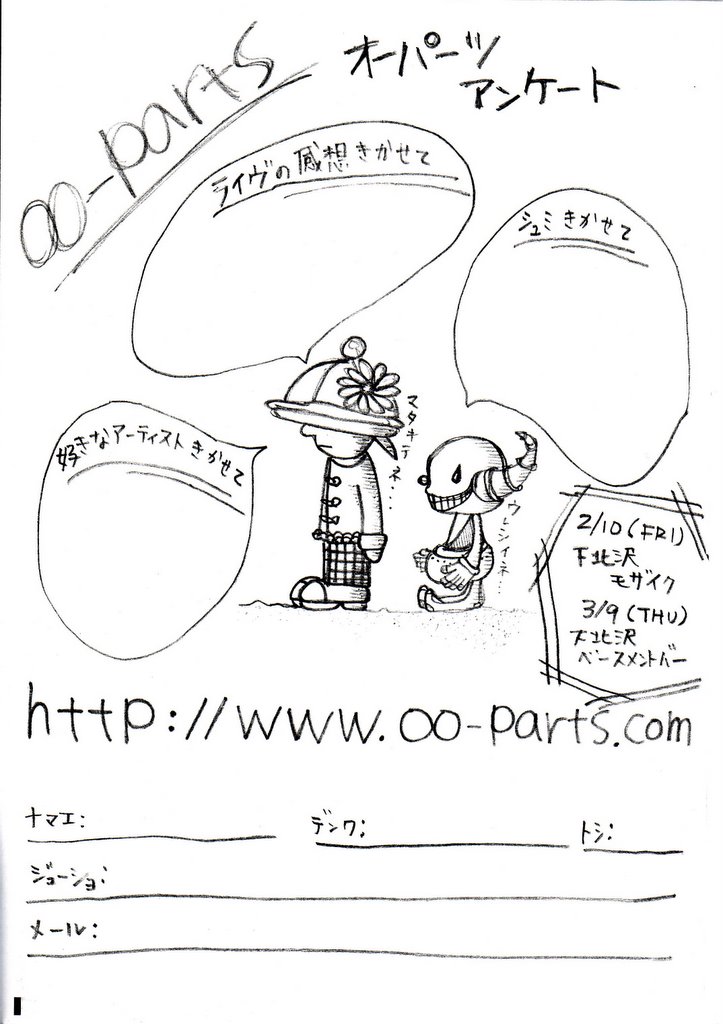


Again, a very home-made flier. Interesting figures in the middle, especially the one with the big horn...


The Kitchen Gorilla's announcement of their first solo show is completely hand-written.
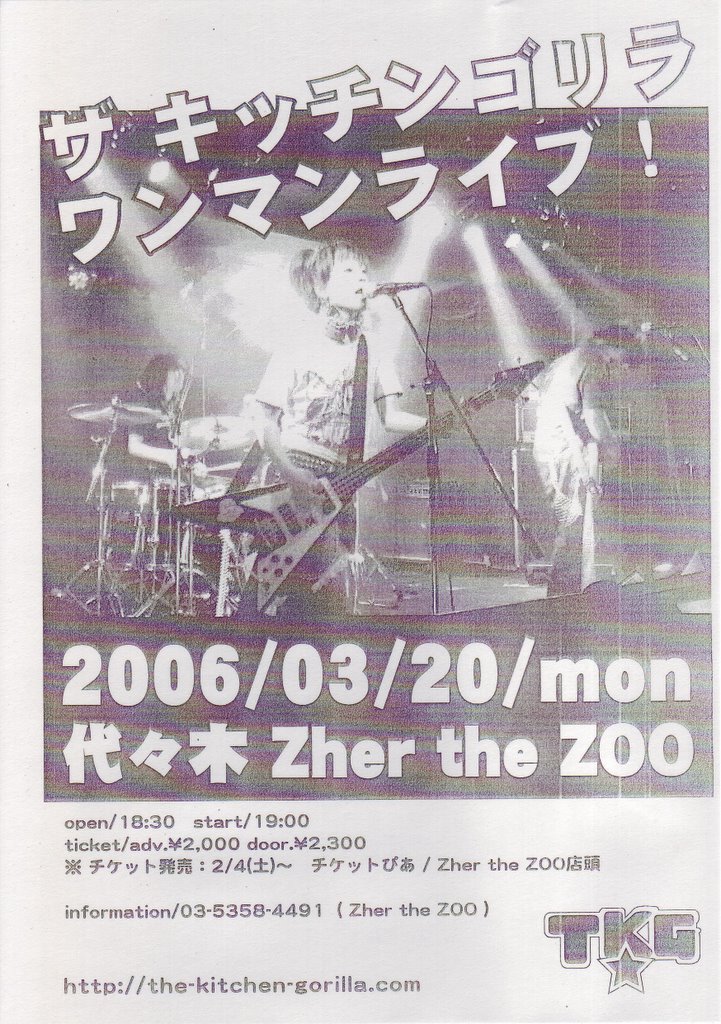


And here's another flier for Kitchen Gorilla's solo show on March 20 at the Yoyogi Zher The Zoo. They REALLY want you to go, and you should, if you are free and you like good rock.
Monday, February 06, 2006

Kuki Kodan At Shibuya Quattro

Kuki Kodan is an unusual band. A Japanese indie pop group that’s been around since 1997, they have a decent following even though they’ve never released a single big hit album. In fact, they seem opposed to the very concept of hit records: many of their past works are limited issue tapes, LPs and CDs, putting a ceiling on the amount of their recordings they can sell, and making it hard for new fans (like me) to find their old stuff. They of course also don’t have any singles that climbed the charts. And they hardly ever play live.

Even so, or maybe partly because they perform live so infrequently, and no fan therefore wants to miss a rare gig, several hundred people showed up at the Shibuya Quattro to see Kuki Kodan (it’s pronounced something like ‘Kooky Koh Dunn’ and means ‘public corporation of air’). It’s easy to tell who the Kuki Kodan fans are in the crowds of Shibuya. Like the music they enjoy, these people are mild-mannered and unpretentious. They look like they just came from a knitwear exhibition. Or had some tea at a patisserie/café. They might have studied foreign literature in school; they certainly read lots of European authors in translation. Kuki Kodan is what they listen to late at night in their apartments, quietly, surrounded by their photography books, small art objects and European posters, thinking about the day that passed and the future they wish for.

Mellow-out music that appeals to people like these is what Kuki Kodan plays, and they lived up to their relaxed reputation at the Quattro. Yukari Yamazaki, the singer, sat in a chair throughout the show, facing the audience diagonally. As she sang she occasionally lifted her arm slowly, or turned to face the crowd; dancing or making the beat wasn’t for her.

They did about five songs, and then took a 15-minute break. Yamazaki told the audience she ate an egg sandwich during the recess, but missed out on the tuna sandwich. One of her band-mates said he’d buy her a tuna sandwich later; so let’s focus on the show for now. And so it went for a couple of hours. Was this show worth a fairly expensive 3,500 yen? It was. In some of their songs, Yamazaki was able to evoke the joy, sadness and colors of everyday life with her unforced but emotional singing, and I got a better feeling for what all the hardcore Kuki-heads saw in this band.

Saturday, February 04, 2006

MISSWONDA At Shinjuku Motion


I’ve wanted to see songstress MISSWONDA ever since I read about her in chipple.net and bought her album Wonderful Tangent, and so I was happy to see she would be playing with Ricarope and Macdonald Duck Éclair tonight at a new club called the Shinjuku Motion. MISSWONDA brings together an 80’s New Wave synthesizer sound with the singer’s whispering vocals like those of old French pop stars—it’s a combination I’d never heard before, and works well.

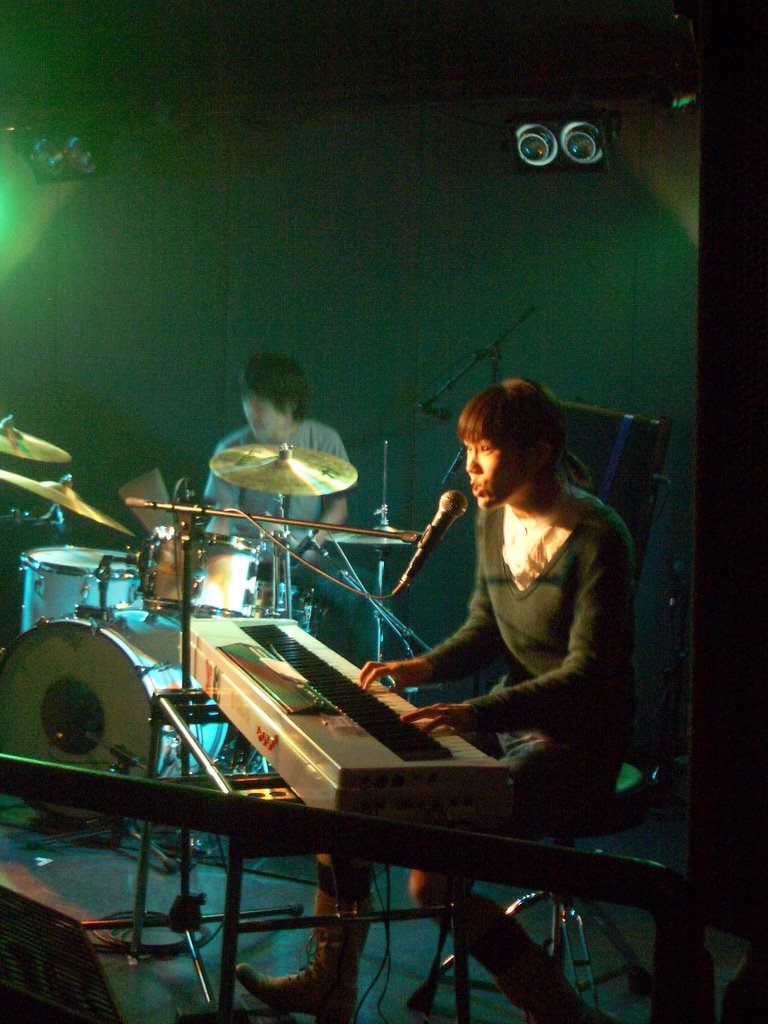
But before MISSWONDA’s set, I got to see pianist/singer Ricarope for the first time in more than a year. One of my very first entries in this journal was about Ricarope, and I’m a big fan of hers, but because she doesn’t do many shows (she’s an English teacher by day, a job that keeps her busy) and because of schedule conflicts on my part, I’ve been unable to see her live for a long time. Her show was as upbeat and energetic as I remembered. Before doing a song called “Radio”, she explained that the song was about the fact that she listened to Ben Folds Five on the radio and that made her want to do music.


MISSWONDA was next, and as she came on stage I was struck by her appearance: she’s a tall, long-haired beauty, and there was something Greek goddess-like about her. When she sings she hardly moves, making her seem statuesque. There was an echo effect on her vocals, causing her whispery voice to sound like it’s descending from way above, from somewhere maybe in the heavens high above the office buildings of Shinjuku.

Between songs she said a few words, and her spoken voice was fragile-sounding as her singing as she said: “Isn’t it cold? Lots of people have caught colds, and I did too, even though I don’t usually catch colds. I drink a lot, like one bottle of wine a day, but then I stopped drinking and I caught a cold, so I thought maybe I should drink again…” A whispery-voiced singer who stays healthy by imbibing wine…there was definitely something other-worldly and regal about MISSWONDA.

***

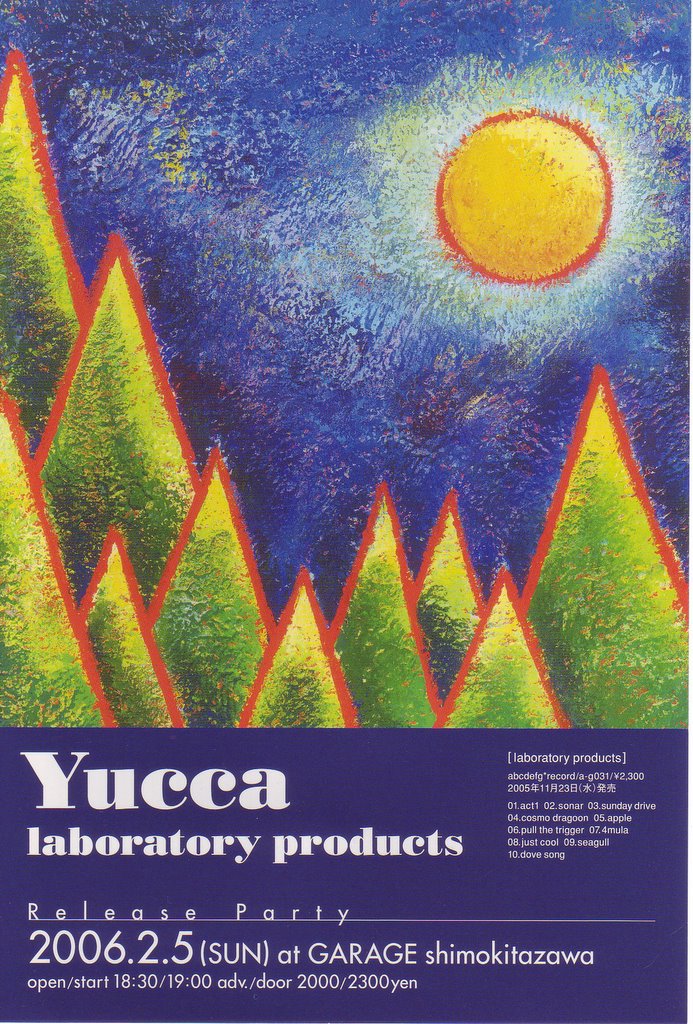
Tonight’s show was held to celebrate the release of an album by the band Macdonald Duck Éclair, who played last. I stuck around to listen to a few of their tunes, but their brand of beepy techno just isn’t my thing. Before them, however, a band I didn’t know anything about called Yucca performed, and they were a happy discovery for me.

The quartet’s flier says they were influenced by U.S. indie rock and post-rock but that their chief passion is pop music, and indeed they sound a bit like a pop version of Sonic Youth. These guys were astonishingly amateurish in their stage direction, the members getting mixed up about who will say what between songs, and at one point they had to start a song over again because the guitarist forgot to turn his guitar on, but their high-energy, hypnotic pop jam music more than made up for that.


Yucca

Sunday, January 29, 2006

An Orange Plankton Reincarnation


A few weeks after it happened, we fans of Tokyo pop band Orange Plankton are finding out that we weren’t alone in being shocked by the suddenness of the group’s decision to split up in early January.

It seems that the band themselves were fully expecting to continue in 2006, and it was only the night before they made their announcement that they had a talk that led to their putting an end to the group that was Orange Plankton.

At that meeting, Yuki on keyboards told the others out of the blue that she wanted to quit the band (I’m not sure what her reason was). They then decided that since Orange Plankton was always the four of them, they might as well end the band too with Yuki’s departure.

I recently had dinner with the other three—singer Yumi, bassist Tsuji and drummer Tamarou—and they appeared somewhat shell-shocked.

For fans of their music, too, Orange Plankton’s end was shockingly abrupt. Just a few days before the announcement, they were saying they wanted to make 2006 a big year for the band. They ended up not doing any sort of farewell show (luckily, I got to see their actual final show, the one at the Roppongi Morph that I raved about in a previous post, though I had no idea that it would be their last…and neither did the band members, apparently). Their official homepage closed down except for a page with their announcement. Their fan page shut down immediately too.

In those first few days, for fans of theirs there was a feeling of walking around in the fairgrounds after the carnival had left.

All over, there were reminders of the band (piles of their CDs in my room…and exactly how many posts did I wrote on their shows and CDs in Japan Live?), but even so, they were truly gone.

Still, if the group called Orange Plankton is no more, its musicians are still around, and I’m glad to report that they will go on making music and performing.

Singer Yumi will become a solo artist called Yunn (her nickname), Tsuji and Tamarou will form a unit called Yuyake Lamp (“Sunset Lamp”), and those two will perform with Yunn at shows, meaning they will in essence be Orange Plankton minus Yuki on piano, and they say they are also looking for other support musicians. Pianist Yuki, for her part, will be helping out other groups, and it seems that she and the rest of the former Orange Plankton remain friendly.

Yunn and Co. plan to record some songs, and have scheduled some shows too, including one on Feb. 8 at the Kichijoji Star Pine’s Café, which I can’t make. It looks like they will be doing many other shows, including one, possibly, in Seoul late next month, and I’d really love to make it to Korea again to see that performance.

Thursday, January 26, 2006

Neomarxisme On Rehearsal Studio Culture

Interesting thoughts by writer-musician Marxy on lack of garage space in Japan where novice bands can practice, the existence instead of a slew of inexpensive and well-equipped rehearsal studios, and what this means for Japanese bands' musical development.

I'm not sure I agree with his thesis that these studios, with all their fancy gadgets and high comfort level, make it almost too easy for bands starting out, leading to musicians that care more about having fun for themselves than putting on a good show for an audience of strangers (maybe I've been lucky but I haven't seen many groups like this myself), but it's food for thought. And a nice report on how indie Japanese bands practice.

Sunday, January 22, 2006

Take Care, Naoki Kishihara, Bassist, Plectrum


Naoki Kishihara

Saturday was a rare snowy day in Tokyo, the streets slippery with ice, but even so fans of Tokyo pop band Plectrum showed up en masse at the Shimokitazawa Club Que to see the band—the place was packed. And seemingly everyone who is anyone in the Tokyo indie pop scene was there. The bassist of Swinging Popsicle. The singer of advantage Lucy. Members of Cellophane, the Castanets and Gomes the Hitman. Everyone was there because this was a special event: it was Plectrum’s last show with Naoki Kishihara on bass, and we all wanted to see his final show as a Plectrum.

The departure of Kishihara, or ‘Kitchon’ as he’s affectionately called by everyone, came after ten years in the band. He was moving to another city to start a new job. It was the end of a career that began when he became a college roommate of Taisuke Takata, Plectrum’s leader. Kitchon, three years Takata’s junior, moved into the college dorm carrying a guitar. When Takata heard Kitchon play some blues licks, he invited Kitchon to join his band, but as a bassist rather than a guitarist because that was what they were looking for. So guitarist Kitchon joined Plectrum as a bassist.

Kitchon was the Mellow One in Plectrum. While singer Takata and lead guitarist Akira Fujita set the stage on fire, Kitchon usually stood to the side, enjoying the show, but staying cool. I found him to be the most approachable Plectrum at the beginning, and we became friends. Like many people that went to the Que on Saturday night, I just had to see this show.


It was a great performance, lasting two and a half hours, including two encores. Plectrum played all their classics from their decade of existence. Until about the end the band didn’t talk about the fact that this was Kitchon’s last show, but most of the audience knew, and many gathered in front of him below the stage and took pictures. When Kitchon walked on stage at the first encore, someone gave him a bouquet of flowers.

Then, in the dressing room between the first and second encores, something snapped for Kitchon, and when he came back on stage his eyes were bloodshot and watery. The band played one last song, a new tune that they recorded in a mini-album, Sweet Memories, that they made for this show, and in the middle Kitchon could no longer hold back his tears, and turned his back to the audience and faced the amp.


At the end of that second encore, almost the entire crowd stood in place, silent, not clapping for more songs, but not wanting to leave either. I’ve never seen anything like it. This was an audience that knew that two encores were about the limit and that the club usually wants everyone out by 10PM, and so at first they didn’t ask for a third encore, but neither were they ready to leave. So, we all stood, quiet, emotional. After a few minutes, some people in the front started to clap. Soon, the rest of the audience joined in the applause, very quietly.

Plectrum came on stage one last time to thank the crowd, and Kitchon also said thanks, we should all be able to meet again. Which must be true, as long we’re all here in this world.

Friday, January 13, 2006

10 Favorite Japanese CDs of 2005

Here are my ten favorite Japanese albums and mini-albums of 2005.


1. Advantage Lucy’s Echo Park


A thrilling musical pageant of guitar pop, rock, and neo-acoustic songs, Echo Park, advantage Lucy’s first album in four years, would probably have topped my list of favorite albums in any year. “Shiosai”is among the best songs recorded anywhere in 2005, and every other tune on the album is gorgeous. A reviewer described in simple but illuminating terms the appeal of this album: “the singing is gentle but strong, the sound is elegant but heavy”. A longer review I wrote of the album is here.


2. Spangle call Lilli line’s Trace and For Installation


Spangle call Lilli line’s music took an abrupt turn into new territory in 2005 in the album Trace, making them sound sometimes like dance pop you’d hear on Top 40 radio. This left some fans of their slowly-developing, epic old songs unsatisfied, but give it a chance and you will see its lovely artfulness that connects it to previous albums like Or and Nanae. I think the two mini-albums Trace and For Installation should be listened to as a double album, going from Trace’s new pop experiments to For Installation’s more familiar Spangle sound.


3. The Kitchen Gorilla’s One and My Voice


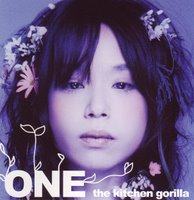
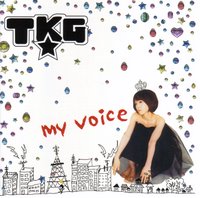
I found out about the rock trio the Kitchen Gorilla sometime in 2005, and I’ve gotten hooked. They released two mini-albums during the year that, again, should be listened to as one whole. Both deal with vocalist Kayo’s literally almost losing her voice (due to a throat problem). One, the first of the two, is more mellow, containing gems like “Beautiful Sunday”. My Voice is intense from the start, a rocking body-slam of emotions. Kayo’s singing is phenomenal throughout, a high voice that never stays still, and often soars.


4. Gomes The Hitman’s Ripple


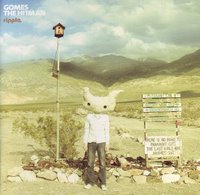
Veteran Japanese pop band Gomes The Hitman is led by Toshiaki Yamada, a lover of American alternative acts like Death Cab for Cutie, Sufjan Stevens and Wilco. He’s called Ripple a watershed album for Gomes, and on that I agree with him: every song is deeply satisfying, passionate pop for grown-ups. Ripple is the equal of albums of the American bands Yamada loves.


5. Vasallo Crab 75’s Today Is Tomorrow


I haven’t had a chance to write in detail about this album by Vasallo Crab 75, but Today Is Tomorrow was, along with advantage Lucy’s Echo Park and The Kitchen Gorilla’s My Voice, one of the Japanese albums that excited me most in the second half of 2005. It’s like a DJ party of an album, the party guests taking turns putting on guitar pop, funk, disco, and even classical music, and getting a kick out of the resulting mix.


6. The Clicks’ Magic of White


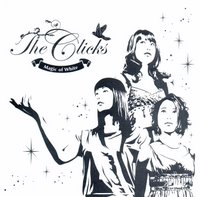
A collection of simple, straightforward, energy-filled pop-punk songs that could have been put together in a garage anywhere in the world, there’s nevertheless something different about the Clicks’ Magic of White. For one thing, the three Clicks girls rock as hard as the best of them, but with cuter voices. For another, they created some of the catchiest rock songs in 2005, like the title track and “Love Bomb”. It’s a shame that they called it quits.


7. Waffles’ Orangery


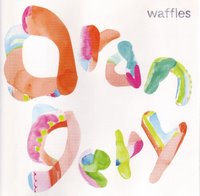
Bright piano pop from Waffles, a group that follows in the musical footsteps of bands like advantage Lucy. Kyoko Ono, the band’s vocalist and keyboardist, who writes the songs, infuses her sung words with emotion; she has a girl-next-door voice, but few Japanese vocalists sing with her passion.


8. On Button Down’s Nordic Forest


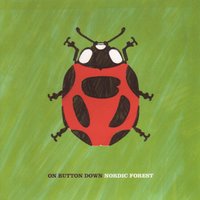
This fun album opens with two catchy alternative pop songs, but then descends into extended, post-rock-like ambient pop music compositions that please the ears and stimulate the brain. The guy and gal that make up On Button Down are a duo to watch.


9. Limited Express (has gone)’s Makes You Dance!


The brilliant second album by Limited Express (has gone?), a Japanese trio who plays eccentric rock like the Ruins and Boredoms, this album contains the weirdo rock classic “Tiger Rock” and other adventurous pop tunes. More here.


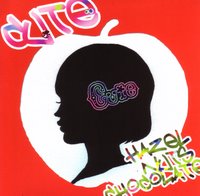
10. Hazel Nuts Chocolate’s Cute


As the album title suggests, “cute” is the concept here, and that vocalist Yuppa’s soft-voiced singing is. But Hazel Nuts Chocolate isn’t music for air-heads: it borrows from diverse musical styles including dance music, pop, hip-hop and jazz, and the compositions are uniformly solid. “Swing Life”, in which Yuppa sing-raps in the sweetest way imaginable, is one of the best songs of the year.

***

I also liked Tokyo Pinsalocks’ Rhythm Channel, Murmur’s Good Grief!, and Plectrum’s live album, Live 4 Live.

My list is pretty pop-heavy, a reflection of my recent preferences. For a different take on Japan’s best music in 2005, take a look at Keikaku.net’s great top albums list, featuring the top-five picks by all of its staffers. They’re more into rock acts like the Band Apart and Ging Nang Boyz (though we agree on advantage Lucy).

Thursday, January 12, 2006

Sakerock, Tucker, Kiseru

I went to see the Sakerock/Tucker/Kiseru show Thursday night because I was in the mood to see a few bands I knew nothing about, and also because I liked these groups’ names. Kiseru is the thin pipe that old folks smoke with in Japanese historical dramas on TV—a curious name for a folk duo. And the sake in Sakerock is the name of Japanese rice wine. I could see where they were coming from—knocking back a few pints of sake has made me felt like a rock star on several occasions. The show seemed to have promise, so I headed to the Shibuya Quattro, which was packed.

Kiseru was up first. The duo played vaguely psychedelic folk, and it was good, pleasant music, but sweet-singing two guy folk units like Kiseru (duos like them seem to be a popular sub-genre in Japan now) always remind me of that singer in Animal House whose guitar is destroyed by John Belushi at the stairwell…

Next up was Tucker, who was a crowd pleaser. He started out DJ-ing, but also played a mean electone organ, and also nibbled at the electric bass and guitar and drums. At one point he played a bass part and put that on a loop, moved to the electric guitar and did the same, then ran back to pound the drums, becoming a one man punk band. Tucker seemed to like a retro sound, the sort of music you’d hear in silent movies, and he covered music like the Pink Panther theme and the song “Tequila”. It was like a 21st Century Neo-Tokyo vaudeville show. At the end, for the climax, Tucker set his synthesizer on fire.

The headliner was Sakerock. They seemed to combine jazz with kayoukyoku, popular Japanese music, and I kept on thinking they were retro in a Taisho Era (1912-1926) sort of way. Maybe it had to do with the way the vocalist played a trombone wearing a hakama. The singer was better when he sang and scatted than when he blew the trombone, and what’s the point anyway of listening to a passable trombonist at a crowded Tokyo live house if you can see amazing jazz players at much more comfortable jazz clubs? I didn’t stick around until the end of the Sakerock show, but while I was there I had a good time. And I liked it that nearly a thousand young Tokyoites showed up at the Quattro to see a band that seemed to have time-warped into Shibuya from an earlier era.

Saturday, January 07, 2006

Goodbye, Orange Plankton


I received word yesterday that Orange Plankton, one of my favorite Japanese pop groups, has disbanded. Although I know in the abstract that no band can last forever, still, the news of this band's end came out of the blue and came as a shock. It made an already bitterly cold Japanese winter seem, somehow, even colder.

For some time I’ve felt that a rock band can be one of the most glorious ways for people to associate with each other. At best, a band is a group of strangers that gather together and make music that moves the heart and defines an era. But a band too has a lifespan, and it’s much shorter than that of a human being. Its span is more like that of a small mammal’s. Even the Beatles, after all, lasted only about nine years.

So maybe it shouldn’t come as too large a surprise that Orange Plankton, which formed in 1999, are leaving the scene. I had noticed that the band had changed, which I noted in a previous post, though I didn’t think it was the sort of change that would lead to dissolution. The main thing that struck me was I learned that the band members now only got together about once a week: when I first met them two years ago, they left every evening free for practice or meetings. Still, the band had been talking about big things for this year, including signing a major label contract, and I had hoped that 2006 would be the year that they’d be able to achieve some of their goals. Instead, on the sixth day of the year they announced they were quitting.

I haven’t heard the exact reason for the band’s decision, but I suspect that lack of commercial success was one. I always thought that Orange Plankton, with their catchy, somewhat jazzy piano pop, was one of Japan’s best bands, and a small group of true believers agreed with this, but most Japanese music buyers didn’t, or simply didn’t know about them. With all the members either approaching or at the age of 30, maybe they felt it was time to move on.

It’s sad to think that, barring some drastic change of heart or a reunion, I’ll never again see Orange Plankton play live. Their shows were some of the highlights of my years in Japan. At the least I know that the members will still be making music as individuals.

What I’m left with is the band’s four albums, several singles, a lot of band goods that they made themselves (including an Orange Plankton fan they sold during a Japan tour in the summer of 2004, when the steamy hot weather made it come in handy), and a lot of memories.

I remember: seeing the band for the first time in 2003 at the Shibuya Quattro, and being struck by the way singer Yumi started gently but in only about 10 seconds shot up in intensity to do one of the most rocking pop shows I’d ever seen.

I remember: coaching Yumi on a song in English (“Weather and Music” from Wakusei Note) at the band’s apartment/office, color pencils that Yumi used to draw visual images of songs spilling from the living room table.

I remember: in the southern city of Nagasaki, seeing them playing their hearts out to a gaggle of apathetic-looking teenagers at a hole-in-the-wall club.

I remember: also seeing them in Okinawa, and between shows going to the beach and staring down at the bright tropical fish and sea slugs in a coral reef with them, wondering if experiences like these help Yumi come up with her beautiful songs.

And of course there were the many shows of theirs I went to in Tokyo—so many memories!

It’s sad that they are gone, but I’m glad I met them.

Goodbye, Orange Plankton.

Wednesday, January 04, 2006

Goodbye, Lost In Found


If you've never heard of a Japanese band named Lost in Found, that wouldn't surprise me. They were only around for a few years, and never released a proper album, though they did come up with a full-album-length CD-R that was quite good (you can listen to song samples from it here). But for quite a while, I was as excited about Lost in Found as I was with actually well-known bands, felt they were something new and would go places, and so now it makes me sad to hear that they’ve decided to call it quits.

They didn’t give a reason for splitting up. Some of the members will play together in new bands, and the name “Lost in Found” will live on as the name of a new independent record label.

Lost in Found was a group of guys and girls in their twenties who already had day jobs but loved indie pop bands like Belle & Sebastian and the Lucksmiths and decided to form a band of their own. The members changed, but the way I remember them most is as a six-piece band that included Mike, a tall Canadian, as the singer and rhythm guitarist, a girl named Mineko as the second vocalist and keyboardist, and another girl named Yukiko on flute, trumpet and synthesizers. On stage, they always seemed like happy beginners, but that was part of their charm.

I first found out about Lost in Found when I took a trip to Seoul to see advantage Lucy and others on an overseas tour; Lost in Found was one of the groups traveling with Lucy. Takayuki Fukumura, the late guitarist of advantage Lucy and Vasallo Crab 75, brought the two bands together, in one of his tireless efforts to befriend musicians and get them connected (how I wish I could have met him at least once!). In Seoul, some of Lost in Found were in awe of advantage Lucy, a popular band with a long career (guitarist Taisuke said he was nervous at first talking to Lucy singer Aiko because he’d only seen her before on TV); Lucy, for their part, saw a reflection of themselves as a young band in Lost in Found, and also liked the relaxed and pure quality of their music, and became big supporters.

From Seoul they went on to play at relatively prestigious Tokyo live houses like the Que and Shelter in Shimokitazawa, in addition to gigs at tiny cafés, and there was talk about their working on an album this year, but I guess that was never to be. Still, I think their album that never officially came out is well worth listening to—I especially like an upbeat song from the album called “Radio 24” that deals with breaking up and contains raw lines like: “One of my friends told me, she started taking Ecstasy, when her boyfriend left her”. Who knows, if you like their sample MP3s, and if you ask them nicely enough, maybe their indies spirit will prompt them to send you a copy.

Monday, January 02, 2006

The Real Thing

I go to a lot of rock shows.

Usually, I go to at least one a week, and sometimes four or five. The number of new bands I see at these shows—maybe a hundred a year?

I go to so many for a simple reason—there are few things that grab the heart as a great live rock show, and every time I witness one, I want to go back for more.

But in this deluge of live shows, I sometimes wonder whether a group I gushed about in a past post was really as good as I remember them, or, whether, it’s a case of rose hues having started to seep into my memories, making everything in the past look brilliant and special.

The past couple of weeks I went to several shows where I realized I hadn’t been wrong: the bands I’ve praised were, in fact, great. They were for real.

One such show was Orange Plankton’s at the Roppongi Morph on December 26. I’ve probably written about this quartet more than any other group, and have long felt that their gentle, beautiful, emotion-packed pop music deserves wider recognition. But it had been a few weeks since I last saw them live, and I again started to wonder: were they as good as I described them in past posts, and as I remembered?

Their live show dynamited my doubts. It started with a music video played on a screen on the stage that, puzzlingly, had a quiet Orange Plankton song as background music to a film about a bloody pro wrestling bout. It was somewhere between provocative and in poor taste, but it gripped the audience’s attention. The band then appeared and did a set comprising their slowest, most intense songs including “Mebuki” from the album Wakusei Note, a tune about death and regeneration.

As sometimes happens at great shows, I found my eyes becoming watery during parts of the exhilarating half an hour that Orange Plankton played. My friend Phil, who joined me at the show, accurately described part of their appeal: while singer Yumi, keyboardist Yuki, bassist Tsuji and drummer Tamarou are all outstanding musicians, none of them try to stand out or show off, and instead they all work to create a harmonious musical whole. I’ve seen many bands in Japan but there are few that make me think, like I do when I see Orange Plankton on a good night, that these guys are the real thing.

***

Another evening that helped me remember why I spend so many nights in cramped, loud, smoke-filled basements was the Mona Records café live on the 28th, featuring Plectrum; Takashi Nishiike, guitarist of Cellophane; and Toshiaki Yamada of Gomes the Hitman. These three groups and advantage Lucy used to go on four-band tours as GAPC (taking the first letter of each band’s name), and their members are all good friends.

All the GAPC bands have been around since at least the mid-90s, have been on major labels, and know how to make the audience rock, even if they are doing an acoustic set like they did at Mona. I wonder whether GAPC will ever do a reunion tour? I’ll be the first in line.

Tuesday, December 27, 2005

Advantage Lucy at the Festival of Light


advantage Lucy

On December 23, which is the Emperor’s Birthday holiday in Japan, advantage Lucy played two sets at the ‘Festival of Light’ in Adachi Ward (a ward is like a city district). This was the third year that the Tokyo pop group appeared at this free event, and though I missed last year’s show I did make it to the one two years ago, and had fond memories of it.

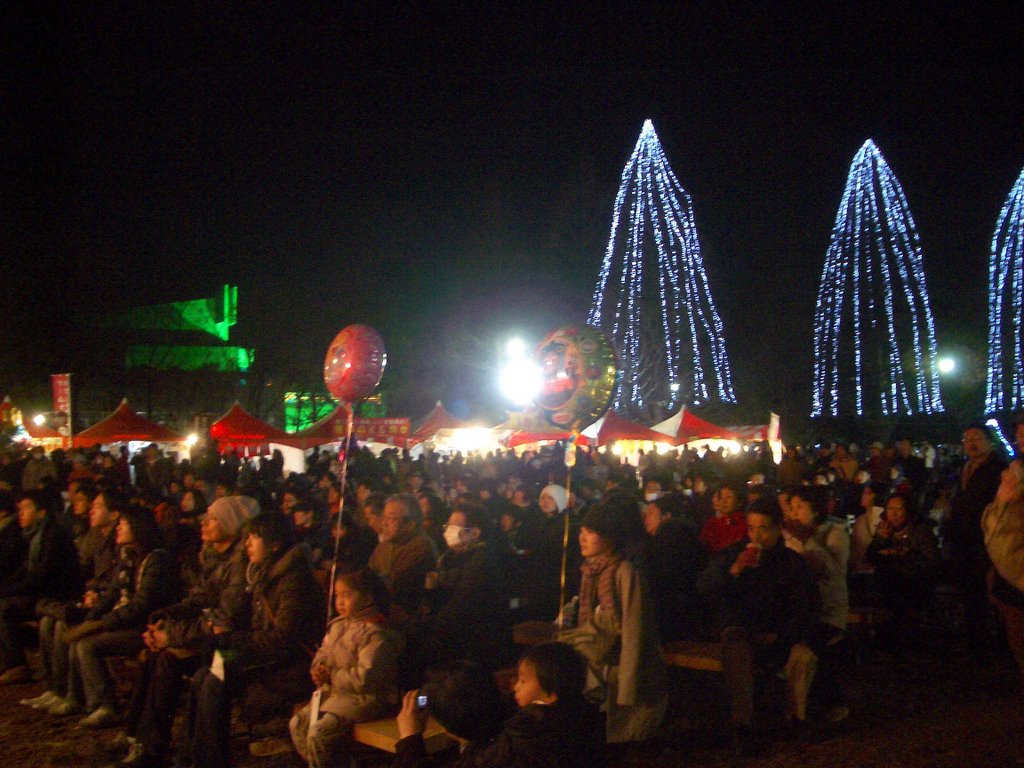
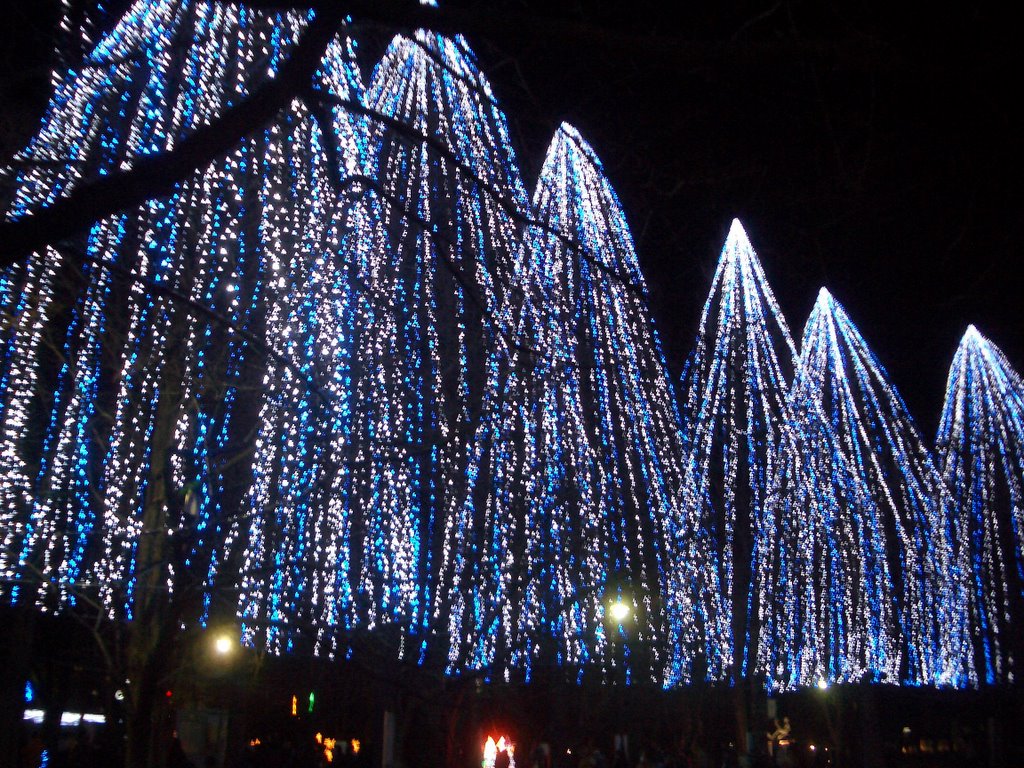
Going again to this event I remembered what I liked about it—the atmosphere is familial and relaxed, taking place in a public park whose trees have been lit up for the holidays. People of all ages sit outside in the chilly evening to watch the shows, while kids run around the stage and hide behind the illuminated trees. Encircling the stage are food stalls, whose shopkeepers call out, between breaks, what they are selling.

There’s also the wonderful feeling of anomaly of seeing advantage Lucy, one of Japan’s great bands, playing on the same stage as children’s electric piano groups, senior citizen choruses, and so on. On Friday night, they played first at a park near Ayase station, and the performers that went before them were called the Beautifuls, who described themselves as “Japan’s #1 Hustle Salaryman band” (unfortunately, I missed them). And after advantage Lucy's second set, which was at a park in Takenotsuka, a troupe of high school hip-hop dancers took the stage (for the finale these hipsters danced in Santa outfits).

One other nice thing about this event is that advantage Lucy’s music matches perfectly the feel of the wintry Tokyo evening. Maybe it’s singer Aiko’s voice, which is pure and crystalline, like the icy nighttime air. It also helps that they play their most festive, holiday-like songs such as “Hello Mate” and “Weekend Wonder”. During their second set they did a very slow, gorgeous rendition of their ballad “Today”.

At one point there was a little girl in front of me wearing a sky-blue down jacket standing transfixed by advantage Lucy’s show. Her expression, as she looked at the musicians and the happy audience, was somewhere between curiosity and puzzlement. I wondered whether one day, just maybe, she too might be playing music on that stage.

Friday, December 23, 2005

Vasallo Crab 75; Cerebral Vs. Physical Shows


Vasallo Crab 75

Thursday night’s show at the Shibuya Eggman looked promising on paper, and I was looking forward to it: it featured Vasallo Crab 75, an indie pop/funk band I’ve written about many times before, as well as Shugo Tokumaru, the internationally respected alternative music guitarist, and the Tenniscoats, a guy-girl duo that came highly recommended by Tokyo Gig Guide.

It turned out to be an interesting event, but also one that made me think about the True Essence of a good live show. Vasallo Crab 75 played last, and there was a big divide between their energetic, physical set, and the much more cerebral performances of the two acts that preceded them, the Tenniscoats and Shugo Tokumaru. Those latter two’s attitude toward a live show seemed to be, ‘we will now create beautiful, innovative sounds for you, and we won’t move around that much on stage or do much else besides play our instruments, but we hope you will enjoy the music for its own sake’. Tokumaru, in fact, asked for the stage lights to be darkened so that he could barely be seen, and didn’t say much other than some nearly inaudible mumbled words at the start.

And indeed, the Tenniscoats and Tokumaru both played compositions that were admirable for their adventurousness and beauty (in particular, I found it remarkable the way that Tokumaru would seamlessly switch from jazz styles to classical to Latin to trash culture pop to create his own sound). These guys seemed like musicians’ musicians. The problem is, I’m not a musician, and as a regular live-house-going music fan, I found that the earnestly played, innovative music made me sleepy after a while. Maybe the venue was part of the problem. I felt this type of music might work better where you could relax and listen, like a café, or maybe played somewhere that is beautiful such as a cathedral or an outdoor natural site, rather than a basement live house.

In the end, though, live music is entertainment, and I need an ingredient in addition to the music itself to be entertained. I want to see that the musicians are into their songs, like it when they hop around and dance on stage, and I appreciate it when they make an effort to draw the audience into their music. If not for those things, is it even worth paying money and sacrificing an evening to see a band play live? Every band I go to see often is full of life on stage, though each in its different way. Vasallo Crab 75 certainly is, and was at the Eggman show, six guys that are totally into their music, but at the same time want the audience to get into the songs and dance along to them.

Monday, December 19, 2005

The Automatics & Ron Ron Clou At Red Cloth


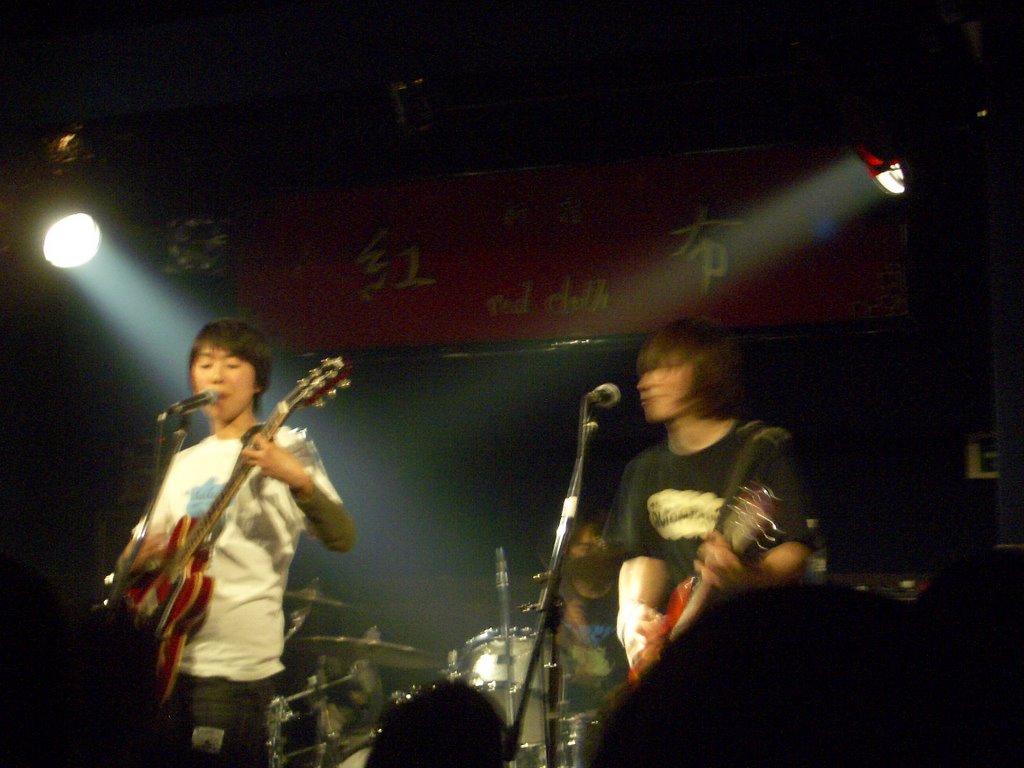
I’m pretty sure I was the only foreigner at the Shinjuku Red Cloth on Saturday night, and I think I was the oldest guy in the club as well. I stood out in a big crowd of late teen to early twenty-something Japanese music fans, many of whom seemed to be too young to have realized that chain-smoking has its consequences down the line—the hall was like a smoke pit. I wasn’t feeling too well, maybe I had come down with something due to the sudden winter chill in Tokyo, and about five minutes into the show I had grim visions of becoming a weird foreigner who fainted in a packed rock club.

In other words, conditions weren't perfect at the Red Cloth, but I’d seen worse, and in any case I had a mission that made me stick it out: to see the band Automatics for the first time.


Ron Ron Clou

The Automatics are one of the oldest and best bands on the great indie label K.O.G.A. Records. Another K.O.G.A. band, Ron Ron Clou, is a trio that plays retro sounding rock. Add the female vocalist Momoko Yoshino to Ron Ron Clou, have Yoshino write all the songs, and you get the Automatics.

At the Red Cloth show, Ron Ron Clou played a long set first, and when they were done Yoshino joined them to do a 15-minute show as the Automatics. Although neither Ron Ron Clou nor the Automatics is that well known even in Japan, the two have a small but devoted following, as you could see when they played. About a half-a-dozen girls hopped happily to the songs during Ron Ron Clou’s set, and when the Automatics started the rank of hoppers spread sideways so that most of the audience members in the front were bouncing up and down while the Automatics did their five songs.

Ron Ron Clou does gigs every once in a while in Tokyo, but the Automatics hardly ever play—as far as I know this was there first show in more than a year—and that boosted the club's excitement level. I liked both bands. Ron Ron Clou is a good combination of people: a thin sex symbol singer/guitarist (one girl in front of me videotaped him during the whole show, probably in an unofficial capacity), a bespectacled, big curly haired comedian on bass, and a super-calm but skilled drummer (he also helps out Swinging Popsicle).


The Automatics

Momoko Yoshino of the Automatics, meanwhile, is a remarkable singer because her voice is the most nasal, whiney-sounding I’ve ever heard, yet it sounds great. In person, she was a charming woman with short hair and a constant, big dimpled smile, and that unusual voice of hers was big, both when she sang and when she talked. The songs she writes have a 60’s rock feel, with a pinch of rockabilly tossed in (indeed, the guitarist and bassist of Ron Ron Clou both played Rickenbackers and Yoshino played some sort of Gibson ES guitar).

The Automatics played all my upbeat pop favorites—“Automatic Eraser”, “Goodnight My Sweetheart”, “Sweets Can Save Us” and “Yesterday’s Children” (most of these songs are in the Automatics’ classic album Quietude)—and every time Yoshino announced the next song, the crowd ooh-ed in appreciation. The show was much too short, but as it often happens by the end all my feeling of malaise had melted away and I headed out to the wintry streets of Shinjuku feeling rejuvenated.

Thursday, December 15, 2005

A Band To Watch--Contrary Parade

If the independent (indie) music scene can be defined as something that is completely contrary in spirit to the 3,000-yen-a-CD-charging, copy-control-CD-inventing Major Record Labels, then maybe its truest expression can be found in demo-CDs. Outside of Tokyo music clubs you sometimes see musicians passing out these disks, which they burned themselves at home and whose covers they also designed and printed themselves, in hopes that giving them to show-goers would leave a bigger impression than merely handing out flyers. Or, often bands that are just starting out bring their demo-CDs with them to shows and sell them for about the price of the blank disk. It’s a way for bands to get their songs listened to by strangers in the big wide world, one disk at a time.

Unfortunately, to be honest, many of these demo-CDs aren’t that good. You don’t generally get great music for free. But at times, miracles happen. Which brings me to a band with the unusual name of Contrary Parade.

I’d heard a song by Contrary Parade called “Happy End” in the great Bluebadge Label compilation CD guitar pop crazy!, enjoyed it, and wondered who these guys were. Several months later, in a conversation with a fellow music fan this band’s name came up, and this fan said he had bought a demo-CD of theirs. I told him I liked “Happy End” and would be interested in buying their CD too. He said the band is based in Osaka but he would e-mail them to see if they would send me a copy of the CD.

A little later he e-mailed me to say that when he told Contrary Parade that I wanted a copy of the demo-CD, they replied, “It makes us very, very happy to hear that he wants it, so, of course, we will send it to him”. In a couple of weeks I found in my mailbox the envelope containing the CD, with a note from the band saying: “We pray that this CD-R arrives at your place alright, and gets put into your audio player alright, and the speakers produce its sound alright, and that you like it alright.” And—I did!

The sound that came out of the speakers hooked me immediately—bright and ascending guitar chords, a piano, and a female voice that was passionate in a warbling way. The first song on the disk lasted six minutes and a half, audaciously long for a demo-CD, but I liked them even more for that. There’s a joyful and relaxed quality to this band’s pop music, similar to that of other great Japanese bands like the Waffles and Ku-ki Ko-dan.

I’m not sure what good it does for me to tell you about this band, whose CD I found almost by chance even living in Tokyo. It probably wouldn't be easy to track down their songs outside of Japan. But, one justification for my writing this is that, if Contrary Parade ever makes it big, I can say later that you heard about them here first. So, remember that name. Maybe one of these days they might put up a song sample or two on their website so you can judge for yourself. In the meantime, I urge you to get a copy of guitar pop crazy!, a compilation of many neat bands by a neat label that truly embodies the indie spirit.

Monday, December 12, 2005

Swinging Popsicle & "Hirata Family Festival"


Swinging Popsicle

The first snow of the winter fell in Tokyo on Sunday night, tiny and lonely specks through an icy sky, but inside the Club 251 in Shimokitazawa the temperature and atmosphere were warm. It was the night of the "Hirata Family Festival", named for Hironobu Hirata, bassist for Swinging Popsicle and Auroranote. Featured were those two groups, plus the band of the comedy duo Up Down, for whom Hirata is a producer. Hirata, skinny and handsome, polite, a guy who speaks impeccably proper Japanese, played bass for all three bands, and seemed to love every minute of the event.

Swinging Popsicle, the first up, was sensational as always in their strangely understated way. The pop band isn’t flashy, but their shows stay in the mind. One secret is the singing by Mineko Fujishima, a vocalist I think of as a Soul Diva in the body of a petite Japanese woman. Her mature, low voice seems to stretch out and fill up the live house. Fittingly, colorful little stars adorn the guitar strap of this star songstress. On stage, she stands, tiny, between Hirata and the guitarist Osamu Shimada, both of whom play with the controlled fire of real professionals. At the end of their set, Fujishima and Shimada said ‘gambatte’, meaning something like ‘give it your all’, to Hirata, who had two more sets to perform.

***

The volume went up a few notches as the second band, Auroranote, started with their lively blues rock. These guys are attracting a small following of girls who, during certain songs, dance and shoot up their arms altogether at key song moments. I’ve seen this before with other bands too, and have always wondered how the girls manage to coordinate their moves, and whether someone came up with the choreography or it just evolved on its own.

I was standing toward the back of the hall and there was one girl in front of me who was like a lone chick separated from the brood, dancing alone away from the rest of her group, who were closer to the stage. But she still thrust her arm up at all the right times along with the rest of the team.

***

The final act, Up Down, was the part-time musical unit of a comedy duo, with members of Swinging Popsicle and Auroranote helping out. Their banter and jokes between songs were as entertaining as the songs themselves, if not more so, they being comedians after all.

Friday, December 09, 2005

Upcoming Tokyo Shows - December 2005

December promises to be a great month for rock shows in Tokyo, as bands squeeze into their schedules their final gigs before 2005 comes to a close. In the past a couple of people have asked me to tell them about good shows that are coming up, so here's a list of events I will either definitely go to or will try my hardest to see:

DECEMBER 11 - Swinging Popsicle, Auroranote, Up-Down at Shimokitazawa Club 251

This event is called "Hirata Family Festival", a reference to Hironobu Hirata, who plays bass for both pop band Swinging Popsicle and rockers Auroranote, and is a producer for Yoshimoto Kogyo comedy duo/musical unit Up-Down. In other words, he's the star of this event, which should have something for everyone.

DECEMBER 13 - Advantage Lucy with Milco and No Stars Innovation at Shimokitazawa Club Que

Lucy's last show of the year as a full five-piece band.

DECEMBER 15 - Mono, Kinski, midoriyama at Shibuya Club Quattro

I've never had a chance to see "melodic instrumental noise unit" Mono, but have wanted to for a while.

DECEMBER 16 - Ricarope at Udagawa Cafe Sweets

I've written about a past show by this soulful pop singer/pianist here.

DECEMBER 17 - Automatics and Ron Ron Clou at Shinjuku Red Cloth

Two great K.O.G.A. Records pop-rock bands. The Automatics is the members of Ron Ron Clou plus female singer Momoko Yoshino.

DECEMBER 18 - SGT, Afterpilot and others at Shibuya O-Nest

Two nice alternative rock bands.

DECEMBER 19 - Travelling Panda, others at Shimokitazawa Mona Records

Afrirampo and Watusi Zombie are also playing at the Daikanyama Unit this night, but I think I will go to see jazzy, funky pop band Travelling Panda, because they play live only rarely but are great when they do.

DECEMBER 22 - Vasallo Crab 75, Shugo Tokumaru, Tenniscoats at Shibuya Eggman

More on Prince-influenced guitar pop band Vasallo Crab 75 here. More on guitar noise wizard Tokumaru here. More on delicate piano pop duo Tennicoats here. This should be a musically satisfying show.

DECEMBER 23 - Advantage Lucy at Motofuchie Park "Festival Of Light"

Every winter, the trees in Motofuchie Park in Takenotsuka are strung up with festive holiday lights, and a small musical event is held to celebrate the light-up. Maybe because Lucy guitarist Yoshiharu Ishizaka is from Adachi Ward, where the park is, advantage Lucy has been invited to play at this event every year since 2003.

I missed last year's festival but went to the one in 2003, and it reminded me of amusement park show scene in Spinal Tap. Just as in the movie Spinal Tap shared the stage with puppets, playing right before Lucy at the festival was a group of child keyboard students. Being a park, the ground was muddy; behind the stage was a big poster for the event in bright red, like a Chinese Communist assembly. And being an outdoor event in winter, it was freezing.

Still, the band playing was advantage Lucy, meaning the music was lovely, and making the trip all the way up to Takenotsuka completely worthwhile. As it will be this year! Lucy will be playing as a three-person acoustic group, and the show is free.

DECEMBER 27 - Orange Plankton at Roppongi Morph

The last show of the year for piano pop quartet Orange Plankton, one of my favorite Tokyo groups.

Also playing this night is a group called Klik, with advantage Lucy's Aiko featured as a guest vocalist, at the O-Nest. That one sounds interesting too.

DECEMBER 28 - Plectrum and Toshiaki Yamada (of Gomes The Hitman) at Shimokitazawa Mona Records

Power pop quartet Plectrum is one of my favorite live bands in Tokyo, and they are great both when they rock hard at a live house and when they go acoustic at a place like Mona Records.

Beautiful voiced Yamada (I once described his voice as being like smooth calvados) plays emotional pop music for grown-ups.

DECEMBER 29 - K.O.G.A. Cover Night 2005 at Shimokitazawa Club Que

An interesting looking event featuring several cover bands consisting of professional musicians. I'm going to see Tennoji Fanclub, a Teenage Fanclub cover band consisting of "Norman" Takata (of Plectrum), "Raymond" Ishizaka (of advantage Lucy), "Raymond" Fujita (of Plectrum), "Gerard" Chigasaki and "Brendan" Kadota (of Ron Ron Clou).

DECEMBER 30 - The Kitchen Gorilla, Tokyo Pinsalocks, others at Shibuya O-Nest/O-Crest

Two excellent girl vocalist groups I've discovered recently, playing at the same event. Exciting!

Wednesday, December 07, 2005

The Kitchen Gorilla's My Voice

I don’t know how many times I’ve listened to The Kitchen Gorilla’s new mini-album since buying it a week ago at the Tokyo rock trio’s show. But the number is very high. A clear indication of my rapturous love for this new CD, my voice, can be found in my iPod, which shows that I listened to one song in the album SEVENTEEN times in a single day. These part few days I might have looked like I was toiling down here on earth, but in reality I’ve been way up high in Kitchen Gorilla heaven, and I haven’t come down yet.

My voice opens with a chord that feels as dramatic as the ones that begin “Purple Rain” or “A Hard Day’s Night”. Drums pound like a quick heartbeat. The guitar rock is simple—the band once said their songs use only the most basic chords, and they make up for the simplicity with abundant spirit—but stays in the mind. And then there’s singer Kayo’s high voice, which I described in an earlier post as seeming to have a life of its own, a flirtatious Voice Being that might walk away from its owner.

In fact, my voice and another mini-album released earlier this year, One, are actually a two-part work that talks about Kayo’s voice, and how she nearly lost it when she developed a polyp in her throat that she underwent surgery last autumn to remove. The lyrics aren’t obvious; if you weren’t told so, you wouldn’t know that’s what inspired them. But sometimes, the words hit you, astonishing in their painful directness. She sings, for example, in “My Little World”: “If I could blame this suffering, that tangles and flows, on someone else/ would this red pain that flows down fade at least a little?” In the title track, Kayo sings: “I’ll sing as many times as I can/ so don’t disappear/ this, my voice”. Words like those reveal the human being behind the high-pitched voice.

For all that, my voice isn’t at all a dark-sounding album. The third song, “Sensation”, for instance, is a great spirited rocker in which Kayo sometimes nearly barks the lyrics. “TKG”, the fifth tune, is the song I listened to seventeen times in a day, and is a minute and a half of super-concentrated rock ‘n’ roll energy. It is about the band (the title is an abbreviation of the band’s name) and how they want to “sing songs that are overflowing with love”.

Listening to songs like “TKG”, “my voice” and “Sensation”, I recall shows of their I’ve been to, like last Friday’s, where as she sang Kayo’s eyes turned watery and glimmered (she said later that singing that night made her so happy she wanted to cry); the female drummer, U-co, pounded the drums with an expression of utter concentration, as if in a trance; Coufull, the guitarist, spun around playing his riffs, like he was in his own world, though of course he was intensely connected with the rest of the band.

It’s only by coincidence that I learned about The Kitchen Gorilla: they had a song in a compilation album I bought, and I liked that song enough that I decided to check them out live. Now I’m hooked, and honestly, it makes me UNHAPPY that it is hard to find this group’s music even in Japan and nearly impossible to buy their stuff abroad. I intend to work to fix this, so that those interested can at least hear samples of this fabulous band’s music.

Monday, December 05, 2005

Shugo Tokumaru Interviewed

Shugo Tokumaru, Japan's super-shy musical Renaissance man, has been interviewed by David Hickey for Japan Times. It's a great story, take a look. David also writes for badbee.net, a site I admire. Shugo is playing at the Shibuya Eggman with Vasallo Crab 75 and Tennicoats on December 22--that's one of the not-to-be-missed shows this month!

Friday, December 02, 2005

Kitchen Gorilla Nearly Loses Voice

My first show back in Tokyo was The Kitchen Gorilla at the Shibuya Lush on Friday night to celebrate the release of their new mini-album. Such shows are called reco-hatsu, short for record hatsubai kinen, and they are festive events that fans flock to see. And I’m definitely a fan of this rock trio with a funny name—I’m becoming a bigger fan by the day.

Their new mini-album is called my voice. The voice it refers to is Kitchen Gorilla singer Kayo’s—info I read about the album says that she underwent surgery last year to remove a polyp in her throat that threatened to take away her voice. Heavy stuff for anyone, but especially for the vocalist of an up-and-coming rock band. The songs in this new CD touch on this experience.

The surgery was a success, thankfully, and I’m very glad for that, because I love Kayo’s singing. She’s one of the Japanese female singers whose voices I adore. Others are…advantage Lucy’s Aiko’s, for sure. Spangle call Lilli line’s Kana Otsubo’s, and Orange Plankton’s Yumi’s too. (In one of those mind-blowing developments that sometimes unfolds in life, advantage Lucy’s Aiko told me recently that she read about Orange Plankton here in Japan Live and looked up the band’s sample MP3s on their website. She liked it—the singer has a pretty voice, Aiko said. One of my grand dreams now is to organize an event featuring both of these two great bands.) Asako Toki, formerly of the Cymbals, has a beautiful voice, and so does a solo artist I like called Ricarope.

In short, there are many girls whose singing I dig, but Kayo’s is high up there. Hers is high-pitched, coquettish, and animated, like the voice will separate from her body and run away on its own.

How wonderfully she used that voice again in the Lush show! The band played mostly songs from the new album, ones I’d heard for the first time, but despite my unfamiliarity with the tunes I loved every minute of the show. As I’ve written before, there’s something different and outstanding about The Kitchen Gorilla. Listening to a good song of theirs for the first time after putting up with the bland fare of other bands’ music at shows is like finding a piece of pearl on a Tokyo street.

After the encore, Kayo said ‘love you’ in English to the audience. She also said the band’s going on a national tour with about a dozen stops, and jokingly asked everyone in the audience to go to at least five of those shows. That, unfortunately, probably won’t be possible for me, however much I like the band, but I’ll certainly try to make it to their gig next Friday at the Shinjuku Red Cloth.

***

By the way, the Lush, the new club where the band played, is THE hardest live house to find that I've ever been to in Tokyo, tucked away in the basement of a nondescript building in an obscure alley in Shibuya.

Monday, November 21, 2005

Missing Shows


I’m going back to LA for Thanksgiving, and that’s going to cause me to miss a few great shows while I’m away from Tokyo.

The event that’s going to make me most sorrowful about not attending is the second memorial show for the late Takayuki Fukumura on November 26, featuring advantage Lucy, Vasallo Crab 75, and Three Berry Icecream. All three are wonderful bands. I’ve written many times about guitar pop bands Lucy and Vasallo; Three Berry is the unit of female accordionist and singer Mayumi Ikemizu, formerly of Bridge. About ten bands that had worked with Fukumura played at last year’s show, which went all night. This year’s show at the Club Que in Shimokitazawa will feature only the above three bands, but word has it that one band will morph into another, the musicians from one joining another and then leaving.

Oh how I wish I could be there… Really, if you are in Tokyo, have the time, can afford it, and like this sort of music, you owe it to yourself to catch this show!

Another show that will pass me by is that of SGT, Hullabaloos and a couple of other groups at the Que on November 28. SGT is a friend’s band (he told me what the name stands for, but it escapes me now…), and is spirited, hard rock. Hullabaloos is the solo unit of the beautiful-voiced male singer of Sakanobolt, a band I saw a while ago and have been wanting to see again but is now 'taking a break'.

And then there is Caraway and more guitar pop goodness at the Ikebukuro Live Inn Rosa the next day, on November 29. Caraway is led by Osamu Shimada, the guitarist for Swinging Popsicle, one of my favorite Japanese pop bands.

There are probably other knock-out events scheduled while I’m away, but I’m going to avoid looking at Tokyo Gig Guide and Pia magazine show listings for that period so I don’t get depressed. But if you are in town, the three shows above should all be fun.

Friday, November 18, 2005

Orange Plankton At Roots; Changes


Orange Plankton’s show at Koenji Club Roots on Friday night, their first Tokyo performance in several months, made me think about how everything changes, how nothing stays the same. For the last few months the pop quartet was, musically, recharging their batteries: writing songs, practicing, trying out new things, without having to worry about gigs. At the Friday show, I could see that the rest period benefited them. They played a few new good songs (though I missed one because I arrived late), and bassist Tsuji was experimenting with playing a fretless bass and an acoustic guitar, giving more variety to the band’s sound.

What was more striking to me, and what caused me to think about how things change, is what I heard from the band members over drinks after the show. They said that each member now spends most of his or her time working on music alone, and they only meet to rehearse about once a week. Each is also doing more music away from the band: pianist Yuki playing as a guest performer for another band, for example, and singer Yumi writing and recording a song on her own for a TV program. Which isn’t anything unusual for an average band, but with Orange Plankton, it’s a change. I remembered when I first became friendly with the band members about two years ago, about the time I interviewed them, I was impressed to learn that they left free the hours between five in the evening to midnight every night for band related activities like practice and meetings. They were always together at night. Now they were more independent.

Another change, or more exactly, a possibility of change, is that it sounds like the band is on the verge of achieving bigger success. They have already done some songs for TV commercials, which help expose their music to a larger audience. Now there appears to be a possibility that they would release something on a major label. And what struck me most of all is that Yumi said there’s a chance the band might open a show at the Budokan! To put that in perspective, while the Budokan isn’t the biggest concert hall in Tokyo, it’s certainly the most prestigious. All big name musicians play there. I mean, the Beatles played the Budokan! For an indie band to tell you they will be performing at the Budokan is like having a friend who drives a Honda Civic tell you he’s buying a Bentley next.

It’s not clear if that show or the major label recording will come to pass, but I’m sure the band will give it their all to make those things happen, and I don’t know what they will do if they are unsuccessful. Theoretically, musicians can stay in an indie band forever, doing marginal jobs and playing at small venues, but I’m not sure if Orange Plankton would be happy with that. And, though usually I hate going to shows at huge halls like the Budokan, if it were Orange Plankton I’d be willing to line up at Pia in the morning like everyone to buy tickets, because they are great and deserve the success and it would be wonderful to see them at a place like that. Sure, unlike now, I probably wouldn’t be able to hang out with them after gigs, but at the least I’d be able to brag that I knew them when they were recording great indie albums in a small apartment.


***

Orange Plankton, which plays gorgeous, somewhat jazzy piano pop, seems to often end up playing at extremely eclectic shows, with bands that are nothing like them. Once I saw them on the same bill as a sort of death rock/noise group. Another time they performed with an idol wannabe girl band that was an otaku magnet.

Tonight, after their show a break beat hiphop duo called Osaka Guerrilla Beatniks hit the stage. These guys have the most super-fantastic band name I’ve heard of in a long time, and they also did a memorable thing right before their last song. The rapper said before they finish, he’d like to read a poem. He then whipped out a copy of Kenji Miyazawa’s collected poems, and recited some Miyazawa verse. I was surprised because the poem was sort of Marxist in content: we will all become one and rise together, that sort of thing. Miyazawa is famous for his dream-like children’s tales, but considering the era in which he wrote (in the early 20th century), when Marxism was a major intellectual movement in Japan, and considering his poverty, I thought maybe it wasn’t surprising he wrote communist-sounding poems.

The rapper read this poem as his sidekick strummed beatnik like-notes on an electric bass. It made me wish I had on a beret and a black turtleneck, clicking my fingers to the verse.


***


Foreigners, and especially Americans, often complain about Japanese pizza. Mayonnaise, chocolate and other foodstuff just do not belong on the top of a pizza pie, they say. I don’t care either way (and think some of the mayo pizzas aren’t bad), but I thought the pizza that was served at the after-show party would have horrified these pizza purists.

It was an “Okinawa”-style pizza. The toppings: corn; goya, or bitter melon, the bumpy green fruit that, as the name suggests, is very bitter; and that Okinawan favorite, spam! Was pretty good, actually.

Tuesday, November 15, 2005

Ex-Clicks To Be In New Bands

The guitarist and drummer of the Clicks, the great Japanese girl rock trio that split up earlier this month, have decided to form a new group called--newbie! They haven't made any songs though. Meanwhile, the bassist, Chiharu, says she will also be in a new band, but she will make a formal announcement on it next year. All of this info is from the Clicks' BBS.

I don't know what kind of intra-band drama led to two girls starting one band and the third girl getting into another, and I'm not sure I want to know, but it's good to hear they will all stay active in the music scene. (By the way, you can now sample all of the Clicks' energetic, straightforward rock songs on JapanFiles.com, here, and you can buy the song downloads too. Also check out Mix Market, another good K.O.G.A. Records band, while you are there.)

Friday, November 11, 2005

Tokyo Pinsalocks At In The City


Thursday night, I went to a free show at the Shibuya Take Off 7 and there saw an amazing band called Tokyo Pinsalocks that made me both ecstatic and filled with mild despair.

Ecstatic, because I’d seen a lot of Japanese bands and was starting to feel that not much could surprise me, but then this all-girl quartet appeared and completely blew me away, making me realize there was a lot of great, unexplored music still out there.

Mild despair, because discovering them also made me think I’d never be able to see all the wonderful bands in Japan, that I’d always miss some group or another. The Tokyo music scene is like a huge, ever-changing organism, and no matter how many nights I go out or how many CDs I buy, I will only see bits and pieces of the whole.

I’d already known about Tokyo Pinsalocks because I saw film footage of one of their shows in a DVD called Indies Rock Vol. 4 Dramatic Girl. I wrote about this DVD before, and can’t recommend it highly enough for anyone who likes Japanese indie rock. Not only does it include bands I'm already big fans of such as advantage Lucy, Condor 44 and School Girl ’69, but it’s also turned me on to groups I didn't know about, like Limited Express (has gone?), and, now, the Pinsalocks.

The Pinsalocks' live show was one of those happy shocks I experience every once in a while in Tokyo, like the first time I saw Orange Plankton or Pop Chocolat or Limited Express. The band creates a distinct musical world on stage. Singer Naoko, with long braided hair, reminded me somehow of a Balinese dancer: maybe it was her bright, flowing hippie dress, or the intense focus of her eyes, or her jerky dance moves. But her singing was pure cute Japanese girl pop.

The band says they were influenced by a wide variety of artists including Bjork, Kraftwerk, and a Japanese band called Super Junky Monky (who I’ve never heard of), and their music was eclectic too. At times Naoko played organ sounds on her synthesizer, and the band as a whole created psychedelic music like the Doors, though played by four attractive Japanese girls rather than American men. At other times she made beep-y, piko piko sounds with her synthesizer, and the rest of the band accompanied her with hard rocking parts. It was a cool combination of musical styles, and inspired me to rush over to their merchandise table immediately after the show to buy their first full-length album, rhythm channel (pictured above). At the table, Naoko autographed the CDs and shook hands with fans. I’ve listened to the album a few times, and it’s outstanding.

Smashing Mag has a lot of nice live photos of Tokyo Pinsalocks here.

***

The show was free because it was part of a multi-night event called In The City, which has been going on for a few years, and is meant to showcase up-and-coming Japanese bands. The shows, taking place at several clubs in Shibuya, are produced by influential people in the indie scene, like the owners of K.O.G.A. Records and Club Que in Shimokitazawa. One of my recent Japanese band favorites, The Kitchen Gorilla, played one night, but, sadly, I missed that event. All you have to do to get in is to pick up the tickets at Tower Records, and contrary to my expectations, you don’t even have to pay for one drink as you usually have to do when you enter a club (though I ended up buying something to drink anyway, two drinks, to be exact).

However, reading over the In The City pamphlet, I found out that these shows weren’t, strictly speaking, free. Whenever you buy recording media like disks in Japan, part of the amount of money you pay is supposed to go to musicians whose music you record, but since it’s impossible to keep track of whose music is being recorded, some of that money is put into a fund. That money is then used for things that supposedly benefit the music community as a whole, such as music events that introduce new artists like In The City, the pamphlet said.

So, in fact, I paid at least some money already for this event by buying things like mini-disks and CDs.

There’s no such thing as a free show, I guess.

Wednesday, November 09, 2005

Chipple.net On Nomiya Maki Show

A nice review of ex-Pizzicato Five singer Nomiya Maki's record release party show is up on chipple.net. Many of Patrick's references to post-Shibuya-kei (?) artists went over my head, but I found I enjoyed just imagining what these guys with wacky names are like. For example:

Then p&art sasanoooha came on stage, dancing around wearing their superb "panda blousons" and playing with three large panda heads, for their song odoru "oshare techō". After a quick costume change, Oui Oui appeared, and sang their great cover of tATu's Not Gonna Get Us, which fit perfectly with the Oui Oui concept. Next, Akagi Tadaharu (ex-Films) joined Maki to sing the Yamo (Kraftwerk)-produced Yamate Line. Then appeared a few surprising dancers in white KKK-ish outfits, later to reveal themselves as girls of Romantica (and their undies as well), while Maki sang Kiss' I Was Made For Lovin' You.

Monday, November 07, 2005

advantage Lucy In Osaka


I’ve been wanting to visit Osaka for a while, so when Tokyo pop band advantage Lucy said they will go there on a one-band tour I decided to tag along.

Osaka, in my mind, is Japan’s number-two city. Yokohama is Japan’s second biggest city population-wise, but it’s right next to Tokyo and is basically just an extension of the giant metropolis. Osaka, on the other hand, has its own character and a long history as a merchant’s town.

Of course, Osaka locals might counter that it is their city and not Tokyo that is Japan’s top city, Tokyo being nothing but a heartless, upstart urban desert. And in truth, there are people out there that truly love Osaka and would never think of moving to Tokyo. I myself only had a few hours to spend in the city in between advantage Lucy’s show, and got just the smallest feel for what the appeal of this place is. I had time to make only the most feeble observations, such as: people stand on the right on escalators rather than on the left as Tokyoites do; many shops have huge, brightly-colored displays of sea creatures like octopus, squid, crab and poisonous blow fish on their facades; people walk fast and talk loudly; a female fashion fad is to wear boots with tiny, almost illegal-looking mini-skirts (this could be fashionable in Tokyo too, but I’m pretty sure I would have noticed if it is); and so on.


One other thing I noticed was that Osaka has great music audiences. The Lucy show was at a club called Live Square 2nd Line, which is located literally right below a railroad bridge, and I had about as much fun there as I’ve ever had at a Lucy show.

The thing that got me was the totally positive vibe of the audience, starting with the huge cheer that erupted when the show began, the non-stop dancing, and the general fun that everyone seemed to have. Tokyo crowds enjoy themselves too at Lucy shows, but they are more subdued in the way that they express their joy, possibly because they have more chances to see Lucy shows, and maybe also because Tokyoites are more self-conscious and shy because many of them are originally from regional prefectures. Whereas, people in Osaka grew up there and feel more sure of themselves, and feel fine with cheering if that’s what they feel like doing.

Whatever the reason was for the crowd’s abundant show of enthusiasm, it was a pleasure to be part of it. As in the Tokyo show I wrote about earlier, advantage Lucy played for more than two hours, doing both songs from their new album Echo Park and their older songs. One guy at the very front hopped in place energetically during all the faster songs. He’s apparently a legend among Osaka Lucy fans because he’s always at their shows, is always at the very front, and always does his hopping. (It reminded me of a video of an early advantage Lucy show I saw where about a dozen people in the front center sort of pogo-ed to the songs, like people used to do at the very beginning of punk rock. It was like some happy, peace-loving version of a mosh pit.) After the show, he came up to each Lucy member and shook hands, and didn’t let go of their hands for an extended period, like a person in some country where the handshake is something that takes a long time.


advantage Lucy

Every few minutes a train would pass right above and a rattling sound would fill the club, sometimes during the quieter songs. I didn’t mind it, but the band thought it was noisy and even lost their rhythm at one point because of it.

Harvey of OtsumamiMusic was also at the show, his first time seeing Lucy live, and has written a very nice report on it. Check it out!

Both the Tokyo and Osaka shows had lively, happy crowds, but several sources, including my friend Dr. I, have told me that the most impassioned advantage Lucy fans during this three-city tour were at the show in Nagoya. The crowd asked for and got three encores from the band, and at the end the band and audience kept on saying ‘thank you’ to each other over and over again. I wish I could have seen it.

After the Osaka show I went out with the band to a place that served delicious raw chicken (you can only eat it raw if it’s as fresh as can be), and there the musicians said again that they wished the tour wasn’t over and that they could do more shows. Earlier, singer Aiko had repeatedly said that on stage too. As a fan I shared their wish.